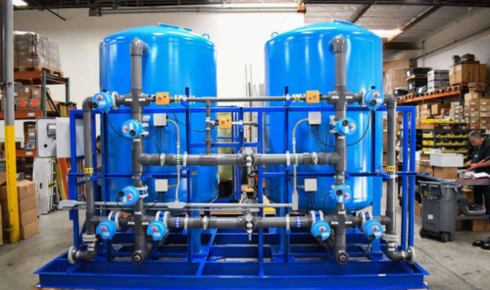

Growing up, I never gave a second thought to what came out of the tap. Water was just… water. It quenched your thirst, boiled your pasta, and filled your bathtub. But years later, with a family of my own, a garden to maintain, and a slight obsession with coffee (seriously, I weigh my beans), I began noticing something strange. The water didn’t taste right. My skin was drier than usual. My kettle had this weird crusty buildup. That’s when I realized — water, in its untreated form, can be a sneaky little culprit behind many everyday frustrations.
So began my deep-dive into the world of water treatment solutions.
The Unseen Intruders in Your Water
Let’s clear the air: most of us assume the water in our homes is perfectly fine because, well, it’s clear. It doesn’t smell that bad. It passed whatever test the city did last year, right?
But here’s the kicker — even if your water is legally “safe,” that doesn’t mean it’s clean by your standards. Hard water, filled with excess calcium and magnesium, can wreak havoc on appliances, pipes, and even your hair. Iron and manganese can stain sinks and laundry. Chlorine, while great at killing bacteria, can make your water smell like a swimming pool.
The more I read, the more I realized: treating water isn’t just about safety. It’s about quality of life.
When the Problem Becomes Personal
My real turning point came when my daughter, who has sensitive skin, started breaking out in rashes. After eliminating everything else — detergents, food, fabrics — a dermatologist casually asked if we had hard water. I was floored. Turns out, the minerals in hard water can leave a film on skin, irritating it over time.
That’s when I decided to do more than just read. I wanted to fix it.
The first step was getting our water tested — which I highly recommend. A simple test can uncover issues you’d never guess were present. From there, we explored our options and eventually invested in a filtration system tailored to our needs.
One of the biggest goals was to reduce minerals without stripping water of its natural goodness. We didn’t want overly “softened” water that felt slippery and weird. We just wanted balanced water — water that supported healthy living, not undermined it.
Different Waters, Different Fixes
One thing I quickly learned: there’s no one-size-fits-all solution in this space.
For some, a basic activated carbon filter will do the trick. These are great for removing sediment and improving taste. For others, especially folks with well water or high iron content, a more complex setup — like a reverse osmosis (RO) system or a multi-stage whole-home filtration — might be necessary.
We opted for a hybrid setup — carbon filters combined with a salt-free softener that tackled scale buildup without the drawbacks of traditional softening systems.
The difference was immediate. Our drinking water became crisp and clean-tasting. Showering didn’t leave us itchy and dry. My daughter’s skin? Happier than ever.
The Chlorine Conundrum
Now, let’s talk about chlorine. It’s the unsung hero and the villain of the water world.
Cities use it to kill pathogens — which, obviously, is important. But the side effects? Not so pleasant. That chemical smell, the metallic taste, the way it dries out your hair? All thanks to chlorine. Not to mention, some studies suggest long-term exposure to chlorinated water might have subtle health impacts, especially when inhaled as vapor in hot showers.
For us, choosing to remove chlorine from our water wasn’t just about vanity — though our skin and hair were certainly grateful — it was about peace of mind. Knowing we weren’t inhaling or absorbing unnecessary chemicals daily felt like the right move.
Life After the Switch
I won’t lie — installing a whole-home water system isn’t cheap. But it is a long-term investment, and one I don’t regret for a second.
Here’s what changed for us:
- Appliances last longer. No more scaling in the dishwasher or crusty buildup in the kettle.
- Laundry feels softer. Whites stay white. Colors don’t fade as fast.
- Cooking tastes better — pasta, rice, coffee, soup, you name it.
- Showers feel cleaner. Like actual refreshment, not a chemical bath.
More than anything, it’s just nice to know you’re doing something proactive for your health. There’s comfort in control, especially when it comes to something as fundamental as water.
What You Can Do Today
Not everyone needs a top-of-the-line, NASA-grade filter. Sometimes, simple steps can make a huge difference:
- Start with a test. Many companies offer free in-home water tests. Or grab a kit online.
- Consider a faucet or showerhead filter. These are affordable and effective entry-level options.
- Educate yourself. There’s a lot of jargon in this industry — TDS, GPG, RO, UV — but once you break it down, it’s surprisingly manageable.
- Think long-term. Good water isn’t a luxury. It’s foundational. Like air, food, and sleep.
Final Thoughts
If you’d told me five years ago I’d become the kind of person who gets passionate about water treatment, I’d have laughed. But now? I get it. When you start noticing the difference clean water makes, you can’t go back.
It’s not just about taste. It’s not even just about health. It’s about reclaiming something we all too often take for granted.
Whether you’re dealing with dry skin, weird water smells, stained laundry, or just a hunch that your water could be better — trust that instinct. Explore the world of water treatment solutions and see what works for your home, your body, and your peace of mind.
Because water should support your life. Not complicate it.