Water has a quiet way of becoming part of everything. It’s in the morning coffee, the shower after a long day, the laundry running in the background, and the glass sitting on the bedside table at night. Most of the time, we don’t think about it. We just expect it to be clean, clear, and easy to use.
But water quality can affect a home in more ways than people usually notice. A faint chlorine smell, cloudy glasses, dry skin after bathing, or white marks around faucets may seem like small irritations. Still, they often point to something bigger happening behind the scenes.
Why Water Quality Deserves Attention
Every home receives water from a different source and through a different route. Some properties rely on municipal water. Others use well water. Some homes have newer plumbing, while older houses may have pipes that influence taste, smell, or sediment levels.
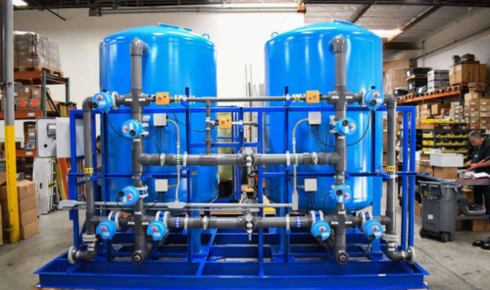
That’s why modern water systems are not just about convenience. They help improve the way water performs throughout the home. A properly chosen system can support better taste, reduce unwanted buildup, protect appliances, and make daily routines feel cleaner and more comfortable.
The difference isn’t always dramatic on day one. Sometimes it shows up gradually — softer laundry, clearer ice, less scrubbing, better coffee. Small wins, but they add up.
The Hard Water Problem
Hard water is one of the most common issues homeowners face. It contains higher levels of minerals like calcium and magnesium. These minerals can leave spots on dishes, buildup on shower glass, and crusty deposits around faucets and fixtures.
Inside the home, hard water can also affect appliances. Water heaters, dishwashers, washing machines, and coffee makers may collect scale over time. That buildup can reduce efficiency and shorten equipment life, which nobody really wants to deal with.
This is where water softeners can make a noticeable impact. By reducing hardness minerals, they help water work better with soaps, detergents, plumbing, and appliances. Showers may feel smoother, laundry may come out softer, and cleaning can become a little less annoying.
Better Taste Begins With Better Treatment
Taste is often what pushes people to take water quality seriously. If tap water smells like chlorine or tastes metallic, earthy, or flat, it’s hard to enjoy. Many families start buying bottled water without realising that a better home solution may be more practical.
Good filtration systems can help reduce sediment, chlorine taste, odors, and other unwanted elements depending on the type of filter used. The right filtration setup can make water more pleasant for drinking, cooking, tea, coffee, and even ice.
It’s a simple thing, but better-tasting water changes daily habits. People drink more of it. Cooking feels cleaner. Bottled water becomes less necessary. And that kitchen tap suddenly becomes useful again.
One Home, Different Water Needs
Not every water issue has the same solution. A house with hard water may need softening. A home with chlorine taste may need carbon filtration. Well water may require sediment removal, iron treatment, or other specific equipment. In some cases, a drinking water system at the kitchen sink may be useful too.
This is why testing matters. Guessing can lead to buying equipment that doesn’t really solve the problem. A simple water analysis can show what is actually present, making it easier to choose the right approach.
A professional recommendation can also consider water usage, family size, plumbing layout, and maintenance preferences. The best system is not always the biggest one. It’s the one that fits the home properly.
The Hidden Benefits Around the House
Better water is not just about the glass you drink from. It can help your whole home feel easier to manage. Fixtures may stay cleaner. Soap can rinse more effectively. Towels may feel less stiff. Appliances may run with less mineral stress.
There’s also a cost side that people sometimes overlook. When appliances work harder because of scale or buildup, they may use more energy or need service sooner. Better water treatment can help reduce that strain over time.
Of course, no system is completely maintenance-free. Filters need changing. Softeners may need salt. Equipment should be checked now and then. But compared with constant cleaning, poor taste, or appliance problems, that maintenance is usually manageable.
A Practical Upgrade That Feels Personal
Water treatment isn’t the flashiest home improvement. Guests probably won’t walk in and comment on it the way they might notice new flooring or a remodeled kitchen. But you will feel it.
You’ll feel it in the shower. You’ll taste it in your coffee. You’ll see it on the dishes. You may notice the sink staying cleaner for longer. These are quiet improvements, but they touch daily life over and over again.
In the end, better water is about comfort, protection, and peace of mind. It helps the home work the way it should, without small water problems constantly getting in the way. And once clean, reliable water becomes normal, it’s hard to imagine settling for anything less.