Water is one of those things we barely notice—until it stops working the way it should. A glass that doesn’t fill, a shower that sputters, or worse, a basement that floods… suddenly, the hidden mechanics behind the tap feel urgent. Most homeowners think of plumbing as pipes and faucets, but tucked away in the background are quiet heroes: well pumps, tanks, and pressure systems. They rarely get appreciation, yet they’re the backbone of a steady water supply.
If you’ve ever found yourself staring at a dry faucet wondering what went wrong, you’ll know what I mean. And for folks relying on well water, the setup is even more important.
Why Wells Are More Than Just a Hole in the Ground
Let’s be honest—when most people picture a well, they imagine something from an old countryside painting: a stone circle, a rope, maybe a wooden bucket. But modern wells are a world apart. Behind the scenes, pumps draw water from underground sources and push it into the home with enough force to rival any city water line. The system is precise. Too little pressure and your shower feels like drizzle; too much, and your pipes might complain.
This is where professional help becomes less of a luxury and more of a necessity. A quick search for well pump installation near me is often the difference between figuring things out the hard way and getting clean, reliable water back on track. And trust me, this isn’t one of those DIY projects you’ll want to “just try out.”
The Hidden Lifeline: Pressure Tanks
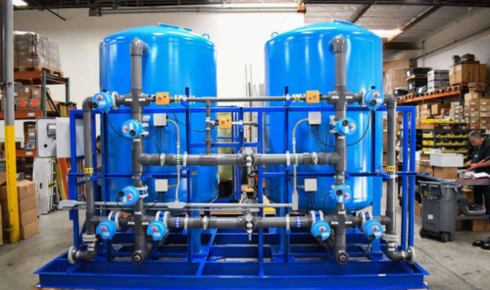
If the pump is the heart of your water system, the well water pressure tank is like its lungs. It’s the storage chamber that evens things out, balancing flow and pressure so the pump doesn’t burn out from constant work. Think of it as a buffer zone. Without it, your pump would be switching on and off every time you brushed your teeth or washed your hands. That kind of stress shortens a pump’s lifespan dramatically.
A good pressure tank doesn’t just save your pump—it saves you from a future full of repairs. Many homeowners only realize how crucial it is when they hear the pump clicking on and off all day. That little detail is usually the system crying out for attention.
What Happens When Things Go Wrong
Here’s the hard truth: water systems rarely break down at convenient times. A pressure drop shows up just as guests arrive for the weekend. A pump fails on a holiday morning. It’s not just inconvenient—it can throw your whole routine into chaos.
And while there are plenty of quick fixes you’ll find on the internet, water systems aren’t the place to gamble. A misstep could lead to contamination, costly water damage, or even a complete system replacement. That’s why it pays to have trusted professionals who specialize in pump repair & installation NY or wherever you’re located. The right service doesn’t just patch the problem; they look at the whole picture, making sure you don’t find yourself in the same mess again next month.
Signs You Shouldn’t Ignore
You might be wondering: how do you know when something’s off with your well setup? Here are a few red flags:
- Faucets spitting air before water comes out.
- Water pressure fluctuating wildly.
- The pump running non-stop (or clicking constantly).
- Odd noises near the tank or pump.
- An unexplained rise in your electricity bill.
These aren’t little quirks to shrug off. They’re warning signals. Catching them early can mean the difference between a minor repair and a full-blown system overhaul.
Why Local Expertise Matters
Every region has its own quirks when it comes to water. In some places, the water is rich in minerals that can clog pipes and pumps. In others, the depth of the water table changes seasonally, putting extra strain on systems. That’s why local knowledge matters. A technician who understands your area’s water profile will always be a step ahead of someone following a generic checklist.
When you hire nearby professionals, you’re not just getting convenience. You’re tapping into years of hard-earned experience with wells just like yours. They’ve seen the patterns, the seasonal changes, and the common pitfalls. And that makes a world of difference when you’re looking for lasting solutions.
The Cost Question Nobody Likes to Ask
Money talk—it’s unavoidable. Yes, installing or repairing a well pump or tank is an investment. But here’s the perspective shift: compare it to the cost of water damage repairs, skyrocketing energy bills, or replacing an entire system prematurely. Suddenly, that upfront price tag feels more like insurance than an expense.
Plus, reliable water access isn’t really negotiable, is it? We can all put off repainting the living room or upgrading the fridge, but water? That’s non-negotiable.
A Personal Take
When I moved into a house that ran on well water, I’ll admit, I was clueless. I didn’t know the difference between a pump and a tank, or why the shower sometimes felt like it was running out of steam halfway through. Then one winter, the pump failed completely. Standing there with dishes piling up and no running water, I learned fast how much we take these hidden systems for granted.
The technician who came out didn’t just fix the issue—he explained the whole setup, walked me through maintenance, and pointed out what to watch for down the line. That bit of knowledge saved me countless headaches later. It also gave me a real appreciation for the quiet, reliable machinery that keeps everyday life flowing.
Wrapping It Up
Water is life, sure. But the systems that bring it into our homes deserve some credit too. Pumps, tanks, and pressure setups aren’t glamorous, but they’re the backbone of comfort. Keeping them healthy isn’t just about convenience—it’s about peace of mind.
So the next time your faucet sputters or your shower goes cold, don’t panic. Look for the signals, lean on the pros, and remember: it’s not just about fixing a machine, it’s about protecting the rhythm of your home.