
There’s something oddly satisfying about a long, hot shower — that comforting cascade, the steam, the moment of zen before emails or errands pull you back into reality. But what if that peaceful moment is sneakily sabotaging your home’s plumbing or drying out your skin?
If you’ve ever noticed white chalky residue on your taps, itchy skin post-shower, or soap that just doesn’t lather the way it should, chances are you’re living with hard water. And while it’s not dangerous, it’s definitely not doing your house (or your hair) any favors.
Let’s dive into why water softening isn’t some luxury add-on — it’s becoming more of a necessity. Not just for spa-lovers or neat freaks, but for anyone tired of the mineral war being waged behind the scenes.
The Hidden Menace in Your Pipes
Hard water is basically water with too much calcium and magnesium. Think of it like water with baggage. These minerals might sound healthy — and sure, in tiny amounts they are — but when they start building up, they create a sort of scale (yep, like limescale in kettles) that sticks to pipes, appliances, showerheads, and faucets.
Over time, this buildup narrows the flow of water, decreases appliance efficiency, and invites repair bills. And while you might not see the insides of your dishwasher or boiler every day, you’ll definitely feel it when your energy bill creeps up or the hot water runs out faster than usual.
That “Soft Water” Lifestyle
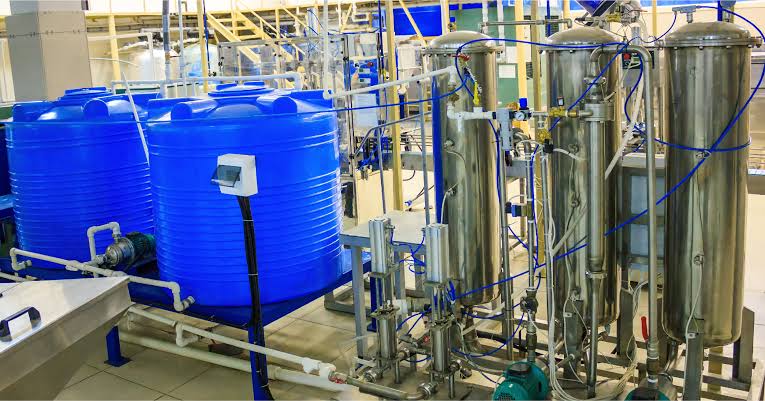
Enter the unsung hero of home maintenance: water softening systems. These quiet machines usually sit in basements or utility rooms, quietly removing minerals from your water before they reach your taps. They don’t get the glory like your fancy new kitchen faucet or touch-screen fridge, but they work just as hard — maybe harder.
By swapping out calcium and magnesium with sodium or potassium ions, these systems essentially neutralize the harshness of hard water. The result? Better lather, cleaner dishes, softer laundry, and far less damage to your appliances. Oh, and your skin and hair might just start glowing again.
But Wait… Are All Softeners the Same?
Not quite. Like with any home investment, there’s a range of quality. And while it’s tempting to opt for the budget-friendly option, water softeners aren’t the place to cut corners. You want something reliable, efficient, and ideally — smart enough to adjust to your water usage.
That’s where EcoWater softeners come into the picture. Unlike clunky old-school systems, these come with a bit of intelligence baked in. Many models offer Wi-Fi monitoring, so you can track water usage or even get alerts when salt levels run low. Plus, they’re built with sustainability in mind — using less water and salt than older counterparts.
It’s like giving your home a brain transplant for its plumbing system — in a good way.
The Personal Side of Softness
It’s not just about pipes and soap suds, either. Living with soft water feels different. Towels dry fluffier. Glasses sparkle without that foggy film. Your hair might finally start behaving without extra serums or sprays.
I remember the first time I stayed at a friend’s place who had a softening system. I thought they had some luxury shampoo — turns out, it was just water minus the minerals. The difference was instant.
If you’re someone who deals with skin irritation or has a child with eczema, the switch to soft water can be a game-changer. No, it’s not a cure — but it removes one more irritant from the equation.
Saving More Than Just Your Skin
Now let’s talk money — because who isn’t watching their wallet these days?
Hard water can seriously mess with your appliances. It takes longer to heat water, shortens the life of water heaters and washing machines, and even affects coffee makers (yes, your morning caffeine fix is under threat too). The buildup can force these machines to work harder, draining energy and wearing out parts faster.
Investing in a water softener might feel like another adulting expense, but long-term? You’ll likely spend less on appliance maintenance, plumbing repairs, and cleaning products. Fewer clogs, better efficiency, and a smoother household rhythm.
Not to mention, it helps reduce hard water minerals, which means fewer products wasted on scrubbing grime or de-scaling faucets. That’s a quiet win.
The Environmental Angle
Soft water can also be surprisingly green. You end up using less detergent, less hot water (since your heater runs more efficiently), and fewer harsh cleaners. That’s less chemical runoff and less strain on your septic or sewer system. Some advanced systems even regenerate with minimal waste, making them eco-friendlier than their older cousins.
We often think of eco-friendly choices as inconvenient or expensive — but this one? It’s just smarter water.
The Final Rinse
Hard water isn’t a health hazard, but it’s kind of like a messy roommate: annoying, high-maintenance, and constantly getting in your way. Once you live without it, you realize how much smoother — and cleaner — life can be.
Whether you’re tired of brittle hair, struggling with appliance breakdowns, or just looking to make your home more efficient, upgrading your water should be on your radar. A reliable system like those from EcoWater could quietly revolutionize the way your household runs.
So next time your shower feels off or your dishes come out cloudy, ask yourself — maybe it’s not you. Maybe it’s the water.