
Hard water doesn’t announce itself dramatically. It creeps in. A thin white crust on your faucet. Soap that won’t quite lather. Towels that feel stiff even after a good wash. You adapt to it at first, like most small inconveniences. Then one day you realize you’re spending more time scrubbing scale than you’d like.
That’s usually when people start researching water softeners.
And if you’ve gone down that rabbit hole even briefly, you’ve probably seen dozens of options—each promising better performance, smarter controls, longer lifespan. It’s easy to get lost in technical jargon and bold claims.
So let’s step back and talk about what actually matters.
Why Hard Water Is More Than a Cosmetic Issue
Hard water is caused by elevated levels of calcium and magnesium. These minerals aren’t harmful to drink, but they can be tough on your home.
Scale builds up inside water heaters, reducing efficiency. Pipes gradually narrow. Dishwashers struggle to leave glassware spotless. You end up using more soap, more detergent, more cleaning products.
None of it feels urgent. But over years, it adds up.
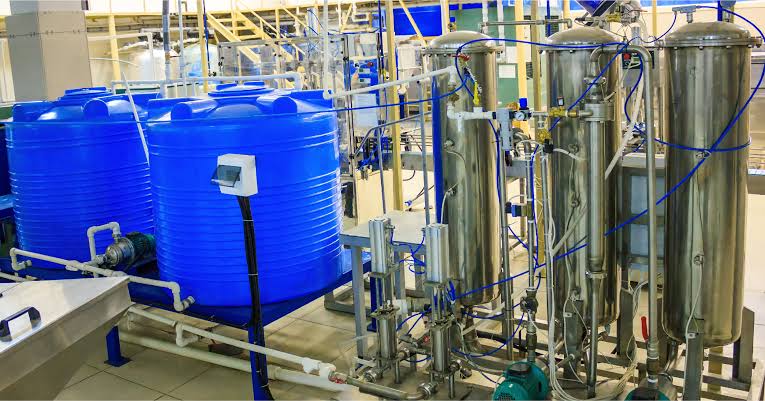
That’s why many homeowners invest in higher-end systems like signature series softeners, which focus not just on removing hardness, but on doing it reliably and efficiently.
The goal isn’t fancy branding. It’s consistent performance.
Smarter Regeneration Makes a Difference
One of the biggest advancements in modern softeners is how they regenerate. Older systems often relied on timers. They would regenerate at preset intervals whether needed or not.
Today’s systems monitor actual water usage.
This approach leads to more efficient regeneration, meaning the system refreshes itself based on demand instead of guesswork. Less wasted salt. Less water used during regeneration cycles. Lower operating costs over time.
It’s a small technological shift, but it makes a practical difference—especially for families with fluctuating water use.
The Importance of Continuous Performance
Here’s something people don’t always consider: what happens when the softener regenerates?
In traditional single-tank models, water may temporarily bypass the softening process during regeneration. In most cases, you won’t notice it. But in larger households, it can create inconsistencies.
Advanced systems are designed to deliver continuous soft water, either through demand-based scheduling or dual-tank configurations that switch automatically.
For busy homes—multiple bathrooms, appliances running simultaneously—that uninterrupted flow is reassuring.
Water should feel consistent. Predictable. You shouldn’t have to time your shower around a regeneration cycle.
Do You Need a Premium System?
Not every home requires a high-end model. If your household water usage is modest and hardness levels are moderate, a standard system might perform perfectly well.
But if you’re dealing with very hard water, high demand, or simply want longer-term durability, investing in a well-built system can pay off.
Look beyond flashy features. Focus on:
- Accurate hardness capacity
- Demand-based regeneration
- Quality control valves
- Manufacturer reputation
- Clear maintenance requirements
It’s not about buying the most expensive unit. It’s about buying the right one.
Maintenance Still Matters
Even the most advanced softener isn’t maintenance-free.
Salt levels need checking. Resin beds benefit from occasional cleaning. Control valves should be inspected periodically.
The good news is that modern systems simplify these tasks. Many include alerts or easy-access components designed for homeowners, not technicians.
Consistency beats complexity.
Cost vs. Long-Term Value
There’s an upfront investment, no question.
But consider the long-term effects of untreated hard water: premature water heater replacement, plumbing repairs, appliance inefficiency. Add in the extra detergent and cleaning products over years, and the financial picture shifts.
Water softening isn’t just about comfort. It’s about protecting your home.
And there’s something intangible, too.
When your water feels smooth, when your dishes rinse clean, when your skin doesn’t feel tight after every shower—you notice. It becomes part of daily comfort.
Avoiding Overcomplication
One of the biggest mistakes homeowners make is overthinking the process.
You don’t need every feature available. You need a system matched to your water profile.
Start with testing. Measure hardness levels accurately. Understand your average daily usage.
Then choose a system sized appropriately. Oversizing wastes money. Undersizing causes frequent regeneration and strain.
A balanced approach almost always wins.
The Emotional Side of Reliability
There’s a quiet satisfaction in knowing your home systems are working as they should. You don’t think about them. They just do their job.
Water softening falls into that category. It’s not glamorous. No one brags about it at dinner parties. But when it’s done right, it subtly improves daily life.
Less scrubbing. Fewer appliance headaches. Softer laundry. Cleaner fixtures.
And maybe that’s the point.
Final Thoughts
Choosing a water softener doesn’t need to feel overwhelming. Focus on fundamentals: hardness level, household demand, regeneration efficiency, and build quality.
Advanced systems like signature series models offer improvements in reliability and resource efficiency—but the best choice is always the one aligned with your specific needs.
At the end of the day, soft water isn’t about luxury. It’s about simplicity.
Water that works with your home instead of against it.
And once you’ve experienced that consistency, you’ll likely wonder why you waited so long to address it.