
It’s easy to take water for granted until you realize how much of your daily work depends on it. From the coffee brewed in the breakroom to the sanitation standards in a restaurant kitchen, water quietly powers nearly everything we do. But when the quality slips—or worse, when it’s not properly sanitized—businesses start to feel the ripple effects fast. Customers notice, employees complain, and compliance regulations can quickly become a headache.
In recent years, Kingston’s business community has been paying closer attention to one critical issue: water sanitization. It’s not just a matter of ticking a box for health standards—it’s about building trust, safeguarding reputations, and keeping operations flowing without interruption.
The Hidden Risks of Overlooking Water
Think about a bustling café on a Monday morning. Customers line up, ordering their lattes and americanos, but the water running through the espresso machine hasn’t been properly treated. Even subtle issues, like mineral build-up or bacteria growth in the system, can leave drinks tasting “off.” Worse, it can lead to failed inspections and costly downtime.
For businesses handling food or healthcare services, the stakes are even higher. Contaminated or poorly sanitized water doesn’t just affect taste—it can put people’s health at risk. That’s why companies are increasingly seeking out professional solutions like Pure Water NW sanitization, which goes beyond quick fixes and provides lasting peace of mind.
A Kingston Shift Toward Smarter Sanitization
Kingston has always had a close relationship with water. Being part of Washington’s unique coastal ecosystem, the community is surrounded by it. But that also means local businesses can’t afford to overlook the way water interacts with their daily operations.
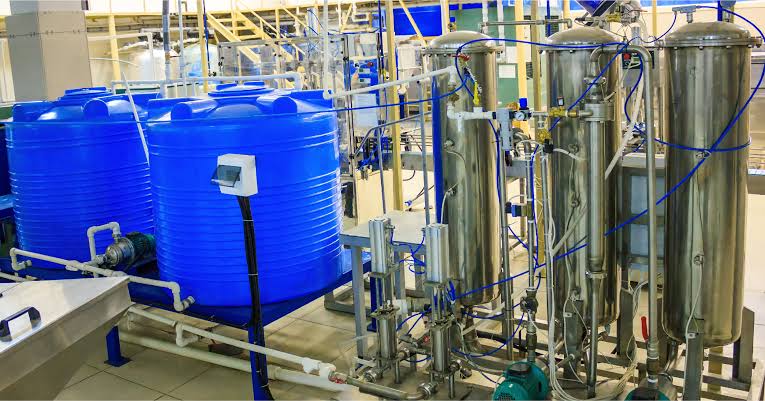
Over the past few years, many organizations in the area have begun investing in commercial water sanitization Kingston experts to bring their systems up to par. It’s not just about reacting to problems after they appear. Instead, forward-thinking businesses are taking preventive steps—flushing lines, using advanced filtration, and applying sanitization technologies that cut down bacteria, algae, and other unseen intruders before they cause trouble.
One local manager at a mid-sized restaurant put it plainly: “It’s not glamorous, but when you don’t take water seriously, it shows up in your bottom line. Guests don’t come back if they don’t trust what’s in their glass.”
Beyond Compliance: Protecting Brand and People
Every business owner knows that compliance with health codes is non-negotiable. But the smarter ones realize that water sanitization is more than just meeting regulations—it’s about protecting their people and their brand.
Imagine an office that prides itself on wellness, yet employees constantly complain about the strange taste or odor in the water dispensers. Or a gym advertising health and vitality but leaving clients second-guessing when they refill their bottles. These small cracks in credibility can have outsized consequences.
That’s where tailored business water sanitization services come into play. Unlike one-size-fits-all solutions, these services consider the unique needs of a company—whether it’s a high-volume restaurant, a medical clinic, or a manufacturing plant where water quality directly impacts product safety.
The Practical Side of Water Sanitization
Here’s the part that often surprises business owners: sanitization isn’t just about dumping in chemicals or running a filter. It’s a layered process. Professionals typically assess the system first—looking for vulnerable points where bacteria might thrive or minerals could accumulate. Then they apply targeted strategies, like shock treatments, line flushing, and installing the right equipment to maintain ongoing purity.
For instance, some commercial kitchens might need more frequent sanitization due to the heavy demand on their water systems. Meanwhile, an office space with lighter use could benefit from quarterly maintenance combined with reliable point-of-use filtration. The best providers explain these differences clearly so businesses aren’t overpaying for what they don’t need—or under-protecting in critical areas.
Why Businesses Are Finally Taking Notice
So, why now? Why has water sanitization become such a buzzworthy topic in Kingston?
Part of it comes down to awareness. With more public discussion about waterborne illnesses, PFAS, and infrastructure challenges, both customers and regulators are paying closer attention. Another factor is cost savings. Unchecked water problems lead to damaged equipment, expensive repairs, and wasted time—all of which are harder to swallow in today’s competitive market.
But perhaps the biggest reason is trust. People want to know the businesses they frequent care about their wellbeing. Just as restaurants proudly advertise locally sourced produce or eco-friendly packaging, many are beginning to highlight their commitment to clean, safe water.
A Closing Thought: Water as an Unseen Business Partner
When you stop to think about it, water is more than just a utility—it’s a silent partner in nearly every business. It helps deliver quality, creates confidence, and underpins safety. Businesses that ignore it often find themselves struggling with problems that could have been prevented.