It’s easy to overlook water quality when you’re busy managing everything else around the house. But when your morning coffee has an unpleasant aftertaste, the shower smells strongly of chlorine, or tiny particles appear in your drinking glass, water suddenly becomes a priority. These experiences can make you wonder whether a simple kitchen filter is enough or whether your entire household could benefit from treatment.
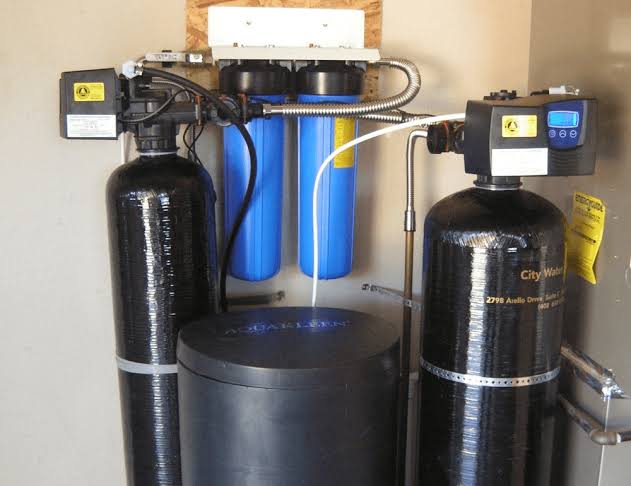
Installing whole home filtration offers a practical way to address specific water quality concerns before incoming water reaches connected fixtures and appliances throughout your property.
However, not every household requires the same approach. Understanding where your water comes from, how you use it, and what you want to improve can make choosing suitable equipment considerably easier.
Why Water Quality Matters Beyond the Kitchen
Most conversations about water filtration focus on drinking water. Understandable, really. But think about how much water you use for everything else.
There’s the morning shower, the laundry that somehow never ends, and the dishes waiting to be washed after dinner. Water quality can influence all these activities.
Excessive hardness may contribute to mineral buildup, while suspended particles can collect inside faucet aerators. Certain disinfectants may also create noticeable odors during bathing.
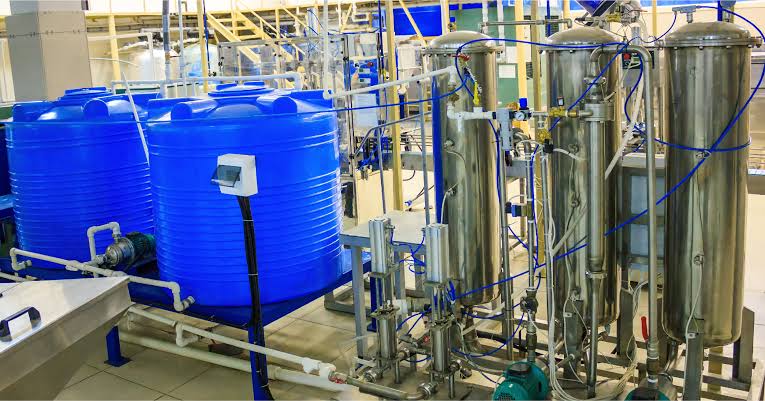
A centralized treatment system can address selected concerns throughout connected areas of the property. Depending on its design, it may incorporate sediment filters, activated carbon, or specialized treatment media.
The important thing is identifying which water characteristics are causing problems rather than assuming one filtration method can solve everything.
Giving Your Drinking Water Some Extra Attention
While centralized filtration offers broader household benefits, drinking water sometimes deserves a more specialized approach.
Modern drinking water systems can provide targeted treatment for water used in cooking, preparing beverages, and filling reusable bottles, depending on the technology and its verified capabilities.
Under-sink equipment is particularly convenient because most components remain hidden beneath the kitchen counter.
Activated carbon filtration can help reduce certain unwanted tastes and odors, while reverse osmosis may address a wider range of dissolved substances.
Imagine preparing your morning tea without an objectionable aftertaste or filling a water bottle before work without reaching for another disposable plastic container.
These are relatively small conveniences, but they’re the kind you can appreciate every single day.
Understanding the Different Treatment Technologies
Shopping for filtration equipment can feel overwhelming, particularly when several products appear to promise similar results.
When comparing water treatment and filtration options, homeowners should consider their water testing results, household consumption, maintenance preferences, and the specific capabilities of each system.
Conventional water softeners reduce excessive calcium and magnesium through ion exchange. Sediment filters capture suspended materials, while carbon filters address certain tastes, odors, and contaminants.
Reverse osmosis works differently, using pressure and membrane technology to reduce various dissolved substances.
Some households may also require specialized disinfection or treatment for specific contaminants.
There’s no universal solution that suits every property. A carefully selected combination of technologies may be appropriate, although some homes need little more than a straightforward filtration arrangement.
Start With Testing, Not Shopping
Before purchasing equipment, take some time to understand what’s actually happening with your water.
Perhaps you’ve noticed reddish stains around the bathroom sink or unusually heavy deposits inside your kettle. These observations offer useful clues, but they don’t provide a complete picture.
Appropriate testing can help identify hardness, iron, pH, and other relevant water characteristics. Laboratory analysis may be necessary to investigate potentially harmful contaminants.
Municipal water customers can also review their supplier’s available water quality reports, while private well owners should arrange testing specific to their property.
It’s much easier to make a confident purchasing decision when you have reliable information in front of you. And you may discover that the problem is simpler to address than you originally thought.
Finding a System That Fits Your Household Routine
A busy family with several bathrooms will have different water requirements from a couple living in a smaller property.
Before installing centralized filtration, consider peak water demand, incoming pressure, available installation space, and maintenance accessibility.
For kitchen filtration, think about how much treated drinking water your household typically consumes throughout the day.
Nobody wants to discover that their new equipment struggles to keep up when several people need water simultaneously.
Ask about replacement components, too. A system that fits perfectly into your budget today could become inconvenient later if replacement filters are difficult to obtain.
Don’t Overlook Long-Term Maintenance
Filtration equipment works quietly behind the scenes, which makes it surprisingly easy to forget that it needs occasional attention.
Sediment cartridges accumulate debris, activated carbon eventually loses treatment capacity, and reverse osmosis membranes require periodic replacement.
Following manufacturer maintenance recommendations helps preserve treatment performance and suitable water flow.
Consider ongoing operating expenses before making a purchase, including replacement filters, servicing, and water consumption associated with certain technologies.
Periodic testing also remains important when equipment is intended to reduce potentially harmful contaminants.
Remember, clearer water or a more pleasant taste doesn’t automatically establish drinking water safety.
Making Better Water a Natural Part of Everyday Life
Improving household water quality doesn’t need to involve expensive equipment or complicated maintenance routines.
Start by understanding your incoming water, identify what matters most to your family, and choose treatment technologies with demonstrated capabilities.
Whether your priority is reducing unwanted odors throughout the house or enjoying better-tasting drinking water in the kitchen, the right approach should complement your lifestyle.
Ultimately, a comfortable home is built around countless little details. Having water that meets your household’s needs is one of those improvements that may quietly make everyday life more enjoyable for years to come.