It wasn’t a big moment. No dramatic change, no sudden problem. Just a glass of water that tasted… slightly off. Not bad, not unsafe—just different enough to make me pause.
I shrugged it off at first. Maybe it was the glass. Maybe I was overthinking it. But over the next few days, I started noticing other little things. My kettle needed descaling more often. Soap didn’t lather quite the same. Even my skin felt a bit drier after showers.
Nothing urgent. But enough to make me curious.
When Curiosity Turns Into Action
Most of us don’t question our water unless something obvious goes wrong. As long as it looks clear and doesn’t smell strange, we assume it’s fine.
But “fine” can mean a lot of things.
At some point, curiosity got the better of me. I didn’t want to jump into buying anything or making changes—I just wanted to understand what was going on. That’s when I came across the idea of free water testing.
It felt like a low-pressure starting point. No commitments, no big decisions—just information.
And honestly, that’s exactly what it gave me. A clearer picture of what was actually in my water, not just what I assumed.
Understanding What You’re Really Dealing With
Water can carry all sorts of elements—minerals, trace chemicals, even things you wouldn’t notice without testing. Most of the time, they’re within safe limits, but that doesn’t mean they don’t affect your daily experience.
That’s where speaking with a water quality consultant can make a difference.
It’s not about being told what to buy. It’s about having someone explain what the results mean in practical terms. Why your water tastes a certain way. Why you’re seeing buildup on fixtures. What’s worth addressing and what’s not.
That kind of guidance turns raw data into something useful.
The Role of Technology in Getting It Right
One thing I hadn’t really considered before was how much technology plays a role in water analysis.
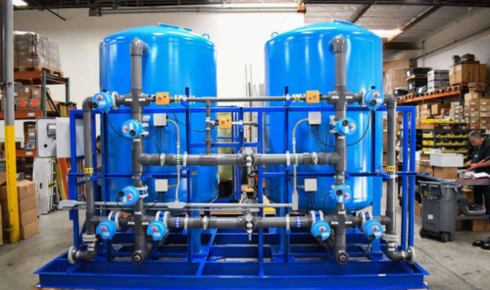
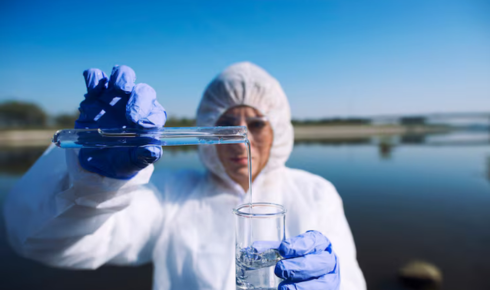
Testing isn’t just about dipping a strip into a sample and guessing the result. Today, professionals often use state-of-the-art equipment to get precise readings—levels of minerals, contaminants, pH balance, and more.
It’s detailed, accurate, and surprisingly fast.
And while you don’t need to understand every number, knowing that the information is reliable gives you confidence in whatever steps you take next.
Not Every Solution Needs to Be Big
Here’s the part that surprised me the most: fixing water issues doesn’t always require a major overhaul.
In some cases, a simple filter can make a noticeable difference. In others, a more targeted approach—like addressing hard water or improving taste—might be enough.
The key is not jumping to conclusions.
Once you understand your water, you can make decisions that actually fit your situation. Not based on trends or recommendations, but on what your home really needs.
The Subtle Changes You Start to Notice
After making a few adjustments, the changes didn’t hit me all at once. They showed up quietly.
Water tasted cleaner. My kettle stayed clear longer. Showers felt… better. Not dramatically different, just more comfortable.
It’s the kind of improvement that blends into your routine. You stop thinking about it after a while, but if you go back to how things were before, the difference becomes obvious.
Why We Tend to Overlook Water
Water is constant. It’s always there, always available. And because of that, we rarely question it.
We focus on visible problems—things we can see or fix quickly. But water quality is more subtle. It affects everything, but in small, gradual ways.
That’s why it’s easy to ignore.
But once you start paying attention, it opens up a different perspective. You realize that something so basic can actually be improved.
Making It Practical, Not Complicated
One of the biggest misconceptions is that improving water quality is complicated. That it requires technical knowledge or expensive systems.
In reality, it starts with simple steps. Awareness. Testing. Understanding.
From there, everything else becomes easier.
You don’t need to do everything at once. You just need to take the next logical step.
Final Thoughts
Looking back, that one slightly off glass of water turned into something unexpected. Not a problem, but an opportunity to understand and improve something I had always taken for granted.
Water is such a basic part of daily life that we rarely think about it. But when you do—when you start asking questions and exploring options—it can lead to small changes that make a real difference.
Not in a dramatic, life-changing way. Just in those quiet, everyday moments that feel a little better than they used to.
And sometimes, that’s exactly what you need.