There’s something deeply reassuring about turning on the tap and not having to think twice about what comes out. No strange smell. No metallic aftertaste. No cloudy swirl in the glass. Just clean, steady water doing exactly what it should.
But if you’ve ever gone down the rabbit hole of researching water filtration systems, you know it can get overwhelming fast. Acronyms. Stages. Membranes. Flow rates. It starts to feel less like home improvement and more like a chemistry class you didn’t sign up for.
Still, more homeowners are leaning in. Not because it’s trendy—but because water is foundational. It touches every part of daily life, and people want to get it right.
The Shift Toward High-Performance RO
Reverse osmosis has been around for decades, but it’s no longer the bulky, slow-draining system people remember from the early 2000s. Technology has moved on, and so have expectations.
Modern ecoflow ro systems are designed with efficiency in mind. They reduce wastewater compared to traditional models and often deliver faster fill rates. That means you’re not standing at the sink waiting forever just to fill a pot.
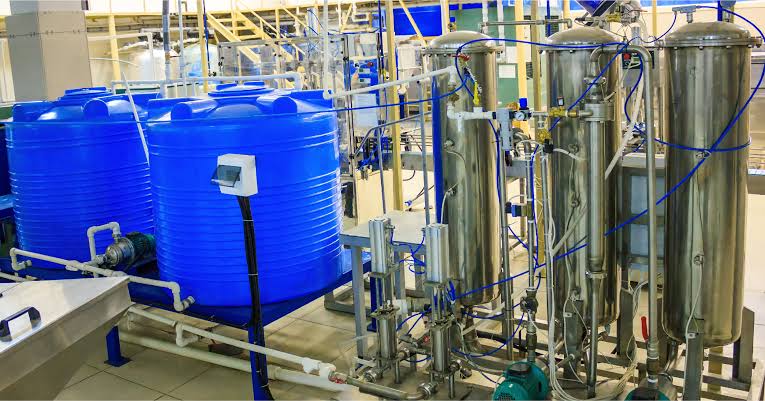
What makes these newer systems stand out isn’t just purification—it’s balance. They remove dissolved solids, heavy metals, and certain contaminants while maintaining consistent pressure and flow. And for households where space matters, many units now feature compact, tankless designs that tuck neatly under the sink.
It’s subtle, but it changes the experience. You don’t feel like you’ve added a complicated machine to your kitchen. It just becomes part of the background—quietly improving what you drink every day.
Filtration That Goes Beyond Drinking Water
While under-sink systems handle drinking water beautifully, many families start thinking bigger. What about showers? Laundry? The water running through the dishwasher?
That’s where whole-home filtration enters the conversation. Systems like hydroflex filtration are engineered to treat water at the point of entry, meaning every tap benefits. This isn’t just about taste—it’s about protecting plumbing, improving appliance longevity, and reducing buildup on fixtures.
Hard water minerals, chlorine, and sediment don’t discriminate. They travel through every pipe in the house. Over time, they can contribute to scale, dull fabrics, and dry skin.
Whole-home systems take a broader view. Instead of solving one problem at a single faucet, they aim to optimize water across the entire property. It’s less reactive and more preventative.
And honestly, that mindset shift feels important.
Technology Is Doing More Than You Think
One of the biggest advancements in water treatment isn’t visible at all. It’s digital.
Older systems relied heavily on timers or basic regeneration schedules. They ran based on estimates—how much water a household might use in a given period. But usage isn’t always predictable. A holiday gathering. A week away from home. A new baby who seems to generate endless laundry.
That’s where innovations like a patented digital demand module make a difference. These systems monitor actual water usage and adjust regeneration cycles accordingly. It’s smarter, more efficient, and often more cost-effective in the long run.
Instead of wasting salt or water on unnecessary cycles, the system responds in real time. It’s one of those features you don’t see—but you appreciate when utility bills stay stable and maintenance feels less frequent.
Technology, when applied thoughtfully, tends to fade into the background. And that’s exactly how it should be.
Practical Considerations Before You Upgrade
Of course, not every home needs the same solution. Water quality varies by region, infrastructure age, and source. Municipal water might carry chlorine and trace contaminants. Well water can introduce iron, sulfur, or sediment.
Before installing anything, testing is essential. A comprehensive water analysis provides clarity. It tells you what you’re actually dealing with—rather than guessing based on taste or appearance alone.
From there, decisions feel grounded. Maybe an advanced RO system makes sense for drinking water. Maybe whole-home filtration is the priority. Sometimes, a combination approach delivers the best outcome.
There’s no universal blueprint. And that’s okay.
The Quiet Benefits of Better Water
Here’s what people don’t always talk about: once you upgrade your water system, you stop thinking about it.
Coffee tastes cleaner. Ice cubes look clearer. Showers feel smoother. Appliances hum along without visible scale creeping in. It’s not dramatic. It’s incremental.
But those increments add up.
Families often report drinking more water simply because it tastes better. That’s a small habit shift with meaningful health implications. Businesses notice fewer maintenance calls on equipment. Homeowners appreciate that fixtures stay brighter longer.
It’s not about chasing perfection. It’s about removing friction from daily routines.
A Long-Term Perspective
In a world full of quick fixes and disposable products, investing in water infrastructure feels refreshingly grounded. You’re not buying something flashy. You’re improving a core utility.
And unlike trendy upgrades, water systems tend to deliver consistent value over time. They protect appliances. They enhance comfort. They provide peace of mind.
It’s also worth noting that technology continues to evolve. Efficiency improves. Waste reduces. Monitoring becomes smarter. What once felt complicated is becoming more streamlined and user-friendly.
That’s encouraging.
Final Thoughts
Clean water shouldn’t feel like a luxury. It should feel normal—unremarkable in the best possible way.
Modern filtration systems, from high-efficiency RO units to whole-home digital solutions, are helping households achieve exactly that. They’re not about extravagance. They’re about reliability.
And when water simply works—clear, clean, consistent—you gain something subtle but powerful: trust.
Trust in what you’re drinking. Trust in what’s flowing through your home. Trust that one of life’s most essential elements is being handled with care.
Sometimes the smartest upgrades are the ones no one notices—except you, every time you turn on the tap.