You don’t usually stand at your kitchen sink thinking about what’s flowing out of it. You turn the handle, fill a glass, rinse vegetables, start the dishwasher. Water is so constant, so ordinary, that it barely registers in your mind.
Until something feels off.
Maybe it’s the faint smell when you first run the shower in the morning. Maybe it’s the grit you notice in a glass if you hold it up to the light. Or maybe it’s just a subtle awareness that your water could be… better.
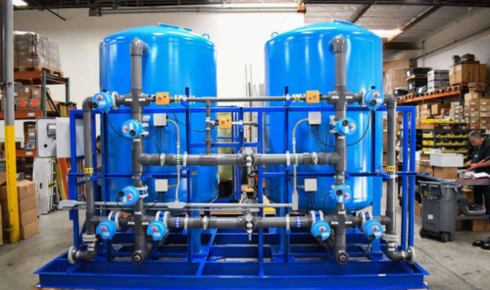
That’s when people start looking into solutions. And often, they stumble upon the idea of whole house water filtration — not just a filter for drinking water, but a system that treats every drop entering the home.
It sounds like a big step. But sometimes, it’s the most practical one.
Why Water Quality Affects More Than Just Taste
When we talk about improving water, most conversations start with flavor. Nobody wants metallic-tasting coffee or water that smells faintly like a swimming pool.
But water touches far more than your taste buds.
It runs through your shower, your washing machine, your water heater, your dishwasher. It interacts with your plumbing every single day. If that water carries excess minerals, sediment, or chemical residues, the impact isn’t always dramatic — but it’s steady.
Over time, small issues become noticeable patterns. Scale around faucets. Reduced water pressure. Dull laundry. Dry skin that doesn’t seem to improve no matter how much moisturizer you use.
These aren’t emergencies. They’re irritations. And they add up.
The Role of Sediment in Everyday Frustrations
One of the more common issues homeowners face is unwanted particles in their water supply. Sand, rust flakes, or fine debris from aging municipal pipes can enter the system.
You might notice cloudy water after plumbing work in your area. Or grit collecting in faucet aerators. That’s where proper sediment reduction makes a difference.
A sediment filter works at the point where water enters your home, capturing particles before they travel through pipes and fixtures. It’s not flashy technology. But it protects appliances and improves clarity.
And clarity matters. It’s reassuring to know that what you’re using to cook and bathe is visibly clean.
Addressing That Lingering Chemical Smell
If you’ve ever filled a bathtub and noticed a faint chlorine scent, you’re not imagining it. Municipal systems often use chlorine or chloramine to disinfect water. It’s an important safety measure. But it can leave behind residual odor and taste.
For many families, chlorine removal becomes a top priority. Activated carbon filters are particularly effective at reducing chlorine levels, improving both taste and smell.
This isn’t about questioning municipal treatment standards. It’s about preference. Some people are more sensitive to chemical tastes. Others simply want their water to feel more neutral.
When chlorine levels are reduced at the entry point, showers feel different. Drinking water tastes cleaner. Even cooking feels more enjoyable.
Why Treating the Entire House Makes Sense
You could install individual filters at select taps. That’s a common approach. But it leaves the rest of the home untreated.
With whole house water filtration, every faucet, showerhead, and appliance benefits from cleaner water. The washing machine isn’t dealing with sediment. The water heater isn’t accumulating unnecessary buildup. The guest bathroom tap delivers the same quality as the kitchen sink.
It’s comprehensive. And once installed, it quietly works in the background.
There’s something satisfying about that — knowing the improvement extends beyond a single drinking tap.
Choosing the Right System Without Overcomplicating It
Not every home requires an elaborate setup. The best starting point is understanding your specific water profile.
A basic water test can reveal hardness levels, sediment presence, and chlorine concentration. From there, you can determine whether a simple filtration system is enough — or if additional treatment like softening should be considered.
The key is customization. A one-size-fits-all approach rarely works.
And you don’t need the most expensive system available. You need the one that addresses your home’s actual conditions.
Maintenance Is Part of the Deal
Like any home system, filtration units require upkeep. Filters need replacement. Components need periodic checks.
The good news? Maintenance schedules are typically predictable and manageable. Most systems are designed for homeowner convenience.
Skipping maintenance reduces effectiveness. Staying consistent keeps performance steady.
It’s not complicated. It just requires attention.
Long-Term Benefits You Might Not Expect
Cleaner water doesn’t just improve comfort. It often extends appliance lifespan and reduces repair frequency.
Less sediment means fewer clogged valves. Reduced chlorine exposure can help protect certain plumbing materials. Better water quality can lower soap and detergent usage over time.
These savings aren’t always dramatic. But they accumulate.
And beyond numbers, there’s peace of mind. You stop wondering about what’s flowing through your pipes.
A Subtle Improvement That Changes Everything
Water is one of those things we assume will always be fine. And often, it is.
But when it’s better — clearer, fresher, more balanced — you notice in subtle ways. Showers feel cleaner. Dishes look brighter. Coffee tastes smoother.
Installing a comprehensive filtration system isn’t about luxury. It’s about thoughtful improvement.
Because when something flows through nearly every part of your home, it deserves more than a passing glance.
Sometimes the most meaningful upgrades are the ones you barely see — but feel every day.