
Let’s face it: the topic of water softeners doesn’t usually make for thrilling dinner conversation. But if you’ve recently installed one or moved into a home that has a system in place, chances are you’ve found yourself staring at your kitchen tap, wondering — “Can I actually drink this stuff?”
You’re not alone. With all the chatter about sodium levels, mineral loss, and potential health impacts, it’s easy to feel a bit lost. So, let’s unpack this together — with none of the technical mumbo jumbo and all the straight-up honesty you’d expect from a friend who’s done their homework.
So, What Even Is Softened Water?
Before we dive into whether you should drink it, let’s get clear on what we’re talking about. Hard water contains high levels of calcium and magnesium. While not harmful, these minerals can leave your skin dry, your appliances crusty, and your laundry stiff.
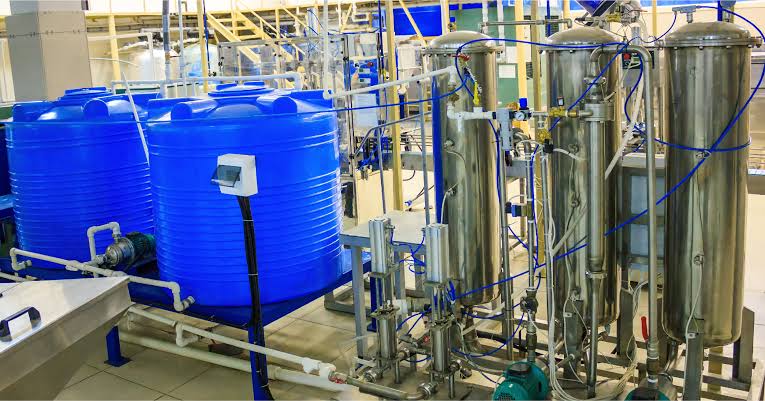
To solve this, many homeowners install a water softener, which replaces those minerals with — you guessed it — sodium. The process is called ion exchange, and it transforms “hard” water into the “soft” water that’s easier on your plumbing and way gentler on your skin.
But here’s where things get interesting: because sodium is introduced, people start to wonder… can you drink softened water without putting your health on the line?
The Short Answer: Yes, But…
Technically, yes — drinking softened water is safe for most people. Health organizations like the World Health Organization (WHO) and the Environmental Protection Agency (EPA) don’t ban or warn against it.
But here’s the thing: “safe” doesn’t always mean “ideal.”
For starters, the amount of sodium added during softening depends on how hard your water was to begin with. The harder the water, the more sodium gets swapped in. For most households, this increase is relatively minor — roughly 12.5 mg of sodium per 8 oz glass, which is less than what you’d find in a slice of bread.
Still, if you’re on a low-sodium diet or have high blood pressure, it’s worth checking those sodium levels — or considering a bypass system that keeps your kitchen tap hard (more on that later).
Wait — Is Soft Water Even Healthy?
Here’s where things get a bit gray. Some argue that removing calcium and magnesium (two essential minerals) from drinking water makes it “less healthy.” It’s true that hard water offers trace minerals your body needs — but it’s also true that most of us get plenty of those from food.
So, is soft water safe to drink? Absolutely. But is it the best water for everyone, especially long-term, especially for little kids or people on restricted diets? That’s where it gets personal.
There’s no black-and-white answer. For healthy adults with no sodium issues, drinking softened water poses no significant health risk. For those with dietary restrictions or specific health concerns, it might be worth considering an alternative.
When It Might Be Better to Skip It
Let’s say your local water supply is extremely hard — like, leaving chalky deposits on every faucet kind of hard. In that case, the amount of sodium in your softened water could be higher than average.
In such situations, some folks — particularly those with heart conditions or on sodium-restricted diets — may be advised by their doctors to limit softened water consumption. You could also install a reverse osmosis (RO) filter under your sink, which removes both sodium and other impurities, giving you clean, neutral-tasting water.
So when a friend casually asks, “is softened water safe to drink?”, your answer might just depend on who’s doing the drinking.
What About Babies, Pets, and Plants?
Great question — and a common one. Most pediatricians recommend using hard or RO-filtered water for baby formula, primarily to avoid unnecessary sodium intake during infancy.
Pets, on the other hand? Generally fine. Most dogs and cats drink softened water with no issues. Though again, if your vet has you watching your pet’s sodium intake, it’s worth playing it safe with filtered water.
As for your houseplants — nope. They don’t appreciate sodium one bit. Watering your ferns with softened water can lead to salt buildup in the soil, which can eventually harm or kill your plants. Stick to untreated or rainwater when you can.
The Real-Life Verdict
Here’s the thing: for most healthy adults, drinking softened water isn’t going to hurt you. It might taste a bit different (a little more “slippery,” some say), and sure, the sodium content is something to be mindful of — but it’s not something to panic over.
Still, if you’re the kind of person who likes covering all bases, it doesn’t hurt to install a separate cold tap at your sink that bypasses the softener. That way, you get the best of both worlds — soft water for showers, laundry, and dishwashing, and untreated water for drinking and cooking.
After all, peace of mind is priceless.
So, Should You Drink It or Not?
Ultimately, it comes down to your lifestyle, health, and preferences. Some people find softened water tastes smoother. Others think it’s weird or slightly salty. But beyond taste, the actual health concerns are pretty minor for the average person.
That said, if you’re making coffee, mixing baby formula, or boiling pasta, and you’re still wondering can you drink softened water, it might be time to invest in a little RO tap or hard-water bypass system. It’s not a must-have — just a nice-to-have if you want full control over your water’s composition.
Final Thoughts
Water softeners are a godsend for anyone tired of scrubbing scale off faucets or dealing with itchy skin post-shower. But like most home upgrades, they come with a bit of nuance. While softened water is perfectly safe for most people to drink, it’s always good to understand what you’re putting into your body — especially if you have specific health goals or dietary restrictions.
If you’re still left scratching your head, maybe give your local water treatment company or doctor a quick call. They’ll help you interpret your water hardness level and sodium content in plain terms. Until then, take a sip — and trust your gut (and tastebuds).
Because at the end of the day, the answer to is soft water safe to drink might just be: “Yes — but know your water.”