You know those moments when you chug glass after glass of water and still feel strangely thirsty? Or when your skin feels dry, your head heavy, and you can’t shake that low-level fatigue? It’s frustrating, right? We’ve all been told to “drink more water,” but no one really talks about how well that water actually hydrates you.
Lately, there’s been a quiet trend floating through fitness circles and wellness communities — a trick that sounds too simple to matter: adding a pinch of salt to your water. But before you imagine tossing spoonfuls of table salt into your glass, let’s unpack what this really means and whether it’s worth trying.
The New Take on Hydration
Water alone doesn’t always do the full job. Hydration isn’t just about how much you drink; it’s about how well your body absorbs what you drink. If you’ve ever downed liters of water but kept running to the bathroom without feeling truly quenched, that’s your body’s way of saying: “Hey, something’s missing here.”
That “something” is electrolytes — minerals like sodium, potassium, and magnesium that help your body hold on to fluid and keep things in balance. And that’s where adding salt to your water for hydration comes in. It’s not about making your water taste like the ocean; it’s about restoring a natural balance that plain water can’t always achieve.
Athletes have known this for years — sports drinks are basically sugar water with electrolytes. But instead of paying for those fluorescent bottles, people are starting to go back to basics: a pinch of high-quality salt and maybe a squeeze of lemon.
So, Why Salt?
It’s simple science. When you sweat, you lose both water and sodium. Without enough sodium, your body can’t effectively absorb the water you drink. So even if you’re guzzling glass after glass, much of it passes right through you.
Sodium helps your cells retain water where it’s needed — inside your muscles, tissues, and organs. That’s why rehydration drinks like oral rehydration solutions (used in hospitals) always contain sodium as a key ingredient.
But it’s not just for athletes or people sweating it out under the sun. Even office workers can get dehydrated without realizing it. Air conditioning, caffeine, and long stretches without eating all play a role in draining your hydration levels. Sometimes, a little salt in your water can make all the difference.
But Wait — Is It Actually Safe?
Here’s where the conversation gets nuanced. When people first hear about putting salt in water, the initial reaction is usually, “That can’t be good — isn’t salt bad for you?” It’s a fair question, especially with how much we hear about high sodium and blood pressure.
So, is it good to put salt in your water? The answer lies in moderation — and the type of salt you use. Regular table salt is highly processed and stripped of trace minerals. On the other hand, natural salts like sea salt or Himalayan pink salt contain small amounts of beneficial minerals that support electrolyte balance.
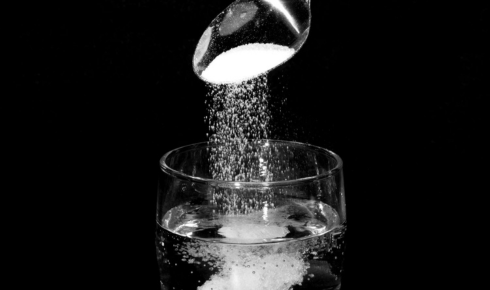
We’re talking about a pinch here — maybe 1/8 teaspoon per liter of water. It’s not enough to make it taste salty, but enough to enhance absorption. As always, if you have health conditions like kidney issues or hypertension, it’s wise to check with your doctor before trying anything new.
What Kind of Salt Works Best
The “salt water” trick isn’t one-size-fits-all. The type of salt you choose matters. Himalayan pink salt and unrefined sea salts are popular because they’re rich in trace minerals like magnesium, calcium, and potassium. These trace elements play a quiet but powerful role in maintaining hydration, muscle function, and even mood.
Some people mix up what’s known as “sole water” — a mineral-rich concentrate made by soaking natural salt crystals in water until it becomes fully saturated. Just a teaspoon of this mix in a glass of water can help maintain your body’s natural hydration rhythm throughout the day.
That said, taste preferences vary. If you’re not a fan of the subtle saltiness, a splash of lemon or a drizzle of honey can make it more refreshing.
How to Try It Without Overdoing It
You don’t need to turn your water bottle into a science experiment. Start small. Add a pinch of good-quality salt to a glass of filtered water in the morning, especially after waking up or exercising. Your body loses water overnight and first thing in the morning is when it craves balance the most.
Some people swear by drinking salt-infused water before coffee — it helps reduce caffeine’s dehydrating effects. Others take it mid-day when energy levels dip, and they feel sluggish despite staying “hydrated.”
If you’re curious about adding salt to your water, the best way to find out if it works for you is just to experiment for a week. Notice how your energy feels, how your skin reacts, even how often you feel thirsty.
The Subtle Benefits You Might Not Expect
Beyond hydration, many people report other small but noticeable changes. Fewer headaches. Less fatigue. Improved digestion. Some even say it curbs sugar cravings or helps them focus better.
Of course, results vary — and there’s still debate among nutrition experts about just how significant the benefits are. But the anecdotal evidence is strong enough to suggest that there’s more to salt than we’ve been led to believe.
For those living in hot climates, working long hours, or following active lifestyles, a touch of salt could be the missing link between “drinking enough” and actually feeling hydrated.
The Common Myths About Salt and Water
Let’s clear one thing up: nobody’s suggesting you start drinking seawater. Too much salt can absolutely be harmful. The goal here is balance, not excess. Hydration science is about supporting your body’s natural fluid regulation — not overwhelming it.
In fact, when done right, a lightly salted drink can be gentler on your system than sugary electrolyte beverages. No artificial coloring, no unnecessary calories — just the basics your body already understands.
It’s about tuning in to your body’s signals rather than blindly following hydration “rules.”
Wrapping It Up: Simple, Natural, and Surprisingly Effective
Sometimes the simplest habits make the biggest difference. A small pinch of salt, a mindful glass of water — it sounds almost too easy. But that’s the beauty of it. You’re not chasing a fad or buying an expensive product. You’re just restoring balance to something essential.
Our ancestors knew this instinctively — salt and water have always been linked to survival, strength, and renewal. It’s only in the modern era that we started separating them, assuming more water always meant better hydration. Turns out, it’s not that black and white.
So the next time you feel sluggish despite drinking plenty, don’t just reach for another plain glass. Consider giving your water a tiny mineral boost.
Because sometimes, the key to feeling alive again… is just a pinch of nature’s simplest ingredient.