Introduction to Tap Repairing
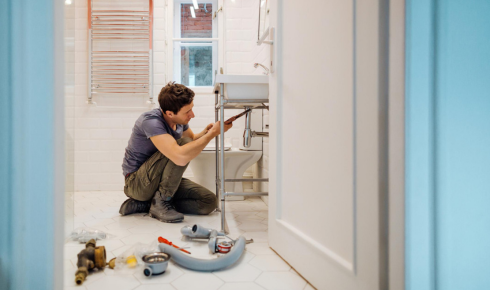
Tap repairing is a critical skill for homeowners who wish to maintain their plumbing systems in optimal condition. Whether it’s a dripping faucet or a completely malfunctioning tap, learning how to repair taps can save both time and money. This guide will walk you through the basics of tap repairing, offering tips, tools, and common issues you can easily address yourself.
Why Tap Repairing is Essential
A leaking or faulty tap can waste a significant amount of water, leading to increased water bills and unnecessary environmental strain. Additionally, neglecting tap issues can cause more significant plumbing problems, such as water damage, mold, or rust. Proper tap repairing not only prevents these issues but ensures the longevity and functionality of your plumbing system.
Common Tap Problems and How to Repair Them
Before diving into the repair process, it’s essential to understand the most common tap problems you might encounter:
- Dripping Tap: One of the most common tap issues is a dripping faucet. This usually occurs due to worn-out washers or seals. Over time, these components degrade, allowing water to seep through.
- Low Water Pressure: If your tap produces a weak stream of water, there could be several reasons, including blocked aerators, issues with the water supply, or sediment buildup in the faucet.
- Loose Tap Handles: If the handle on your tap feels loose or unresponsive, it might be due to worn-out internal components. Tightening or replacing these parts can resolve the issue.
- Corrosion and Rust: Taps exposed to hard water or humidity can develop rust and corrosion. These elements not only affect the tap’s appearance but can also cause leaks and reduce functionality.
- Sputtering Water: If your tap spurts or sputters when turned on, there may be air trapped in the pipes or mineral buildup in the aerator.
Step-by-Step Guide to Tap Repairing
- Turn Off the Water Supply: Always start by turning off the water supply to the tap you are repairing. This prevents any accidents or flooding while you work on the repair.
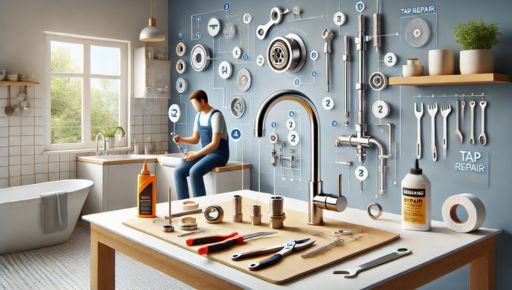
- Choose the Right Tools: For most tap repairs, you will need basic tools such as a wrench, pliers, screwdriver, and replacement parts like washers, seals, or cartridges. Make sure to have the necessary parts on hand before starting.
- Remove the Tap Handle: Use a screwdriver or wrench to remove the tap handle. Depending on the design, you may need to remove decorative covers or screws first.
- Inspect and Replace Worn-Out Parts: Once the handle is off, inspect the internal components for any signs of wear or damage. Common culprits include washers, seals, and cartridges. Replace these parts with new ones, ensuring they match the specifications of the tap.
- Reassemble the Tap: After replacing the worn parts, carefully reassemble the tap. Make sure everything is tightened and correctly aligned. This will ensure smooth operation and prevent further issues.
- Test for Leaks: Turn the water supply back on and test the tap. Check for any leaks around the faucet or handle. If there are still leaks, disassemble the tap again to check if all the components are properly fitted.
Preventative Tips for Maintaining Your Taps
To reduce the frequency of tap repairs, there are several preventative measures you can take:
- Regularly Clean Aerators: Mineral buildup can clog your aerators, reducing water pressure. Remove and clean them periodically to maintain a smooth flow of water.
- Check for Leaks: Routinely check your taps for any signs of leaks or drips. Addressing issues early can prevent more costly repairs in the future.
- Use Proper Water Pressure: Excessively high water pressure can damage your taps over time. Install a pressure-reducing valve if necessary to maintain optimal water flow.
- Use Quality Components: When repairing your tap, always choose high-quality washers, seals, and other parts. Cheap replacements may wear out quickly and cause recurring problems.
When to Call a Professional for Tap Repairing
While many tap repairs can be done by homeowners, some issues may require professional intervention. If you encounter persistent leaks, problems with water supply, or internal damage that’s hard to fix, it’s best to call a licensed plumber. Professional plumbers have the tools and experience to address complex issues and prevent further damage to your plumbing system.
Conclusion
Tap repairing is a valuable skill that can help you save money, conserve water, and keep your plumbing system in top shape. By understanding common tap issues, knowing the right repair methods, and performing regular maintenance, you can keep your taps functioning smoothly for years. Remember, if a problem persists or seems too complicated, don’t hesitate to call in a professional plumber to ensure the best results.