
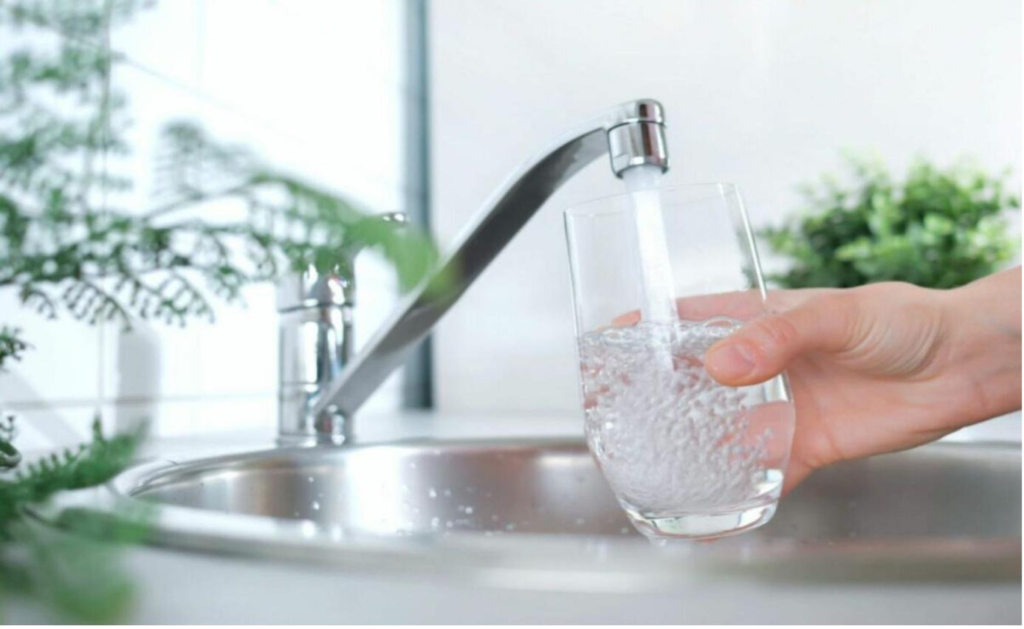
Access to safe drinking water is a fundamental necessity for every household. The role of plumbing in ensuring that water remains safe from the point of entry into your home to the tap cannot be overstated. Plumbing systems are the unseen guardians that protect the quality of water we drink, cook with, and bathe in daily. This article delves into the critical role of plumbing in maintaining safe drinking water at home, exploring the various components and practices that contribute to water safety.
1. Understanding the Plumbing System
The plumbing system in a home is a complex network of pipes, valves, and fixtures that work together to deliver clean water and remove waste. It starts at the point where water enters the home, typically from a municipal supply or a well, and ends at the various taps and outlets within the house. The integrity of this system is crucial for maintaining water quality.
Key Components:
- Pipes: These are the conduits through which water flows. They can be made of various materials, including copper, PVC, and PEX. The material and condition of the pipes play a significant role in maintaining water quality.
- Valves: Valves control the flow of water and are essential for isolating parts of the system for maintenance or in emergencies.
- Fixtures: Taps, faucets, and showerheads are the endpoints where water is accessed. The quality and maintenance of these fixtures impact the safety of the water they dispense.
2. Preventing Contamination through Backflow Prevention
One of the critical functions of a plumbing system is to prevent backflow, which occurs when water flows in the opposite direction from its intended path. This can lead to contamination of the clean water supply with pollutants, chemicals, or bacteria.
Role of Plumbing:
- Backflow Preventers: These devices are installed in plumbing systems to prevent contaminated water from flowing back into the clean water supply. They are essential in areas where the water system is connected to potential sources of contamination, such as irrigation systems, pools, or chemical storage.
- Air Gaps: An air gap is a physical separation between the water supply and a potential source of contamination, often found in fixtures like sinks and dishwashers. Plumbing codes require air gaps to prevent backflow, ensuring that dirty water cannot siphon back into the clean supply.
3. Water Filtration and Purification Systems
In addition to delivering water, plumbing systems often incorporate filtration and purification technologies to enhance water safety. These systems remove impurities, chemicals, and microorganisms from the water, making it safer for consumption.
Types of Systems:
- Point-of-Entry Filters: These filters are installed where water enters the home, treating all the water before it is distributed through the plumbing system. They are effective for removing sediment, chlorine, and other large contaminants.
- Point-of-Use Filters: These filters are installed at specific taps or fixtures, such as kitchen faucets or refrigerators. They provide an additional layer of filtration, often targeting specific contaminants like lead, VOCs, or cysts.
- UV Purifiers: Ultraviolet (UV) purifiers are used to kill bacteria and viruses in the water. They are particularly useful in areas where the water supply is prone to microbial contamination.
4. Regular Maintenance and Inspection
Regular maintenance and inspection of the plumbing system are essential for ensuring the ongoing safety of drinking water. Over time, pipes can corrode, valves can fail, and fixtures can develop leaks, all of which can compromise water quality.
Importance of Maintenance:
- Pipe Inspections: Regular inspections of the plumbing pipes help detect signs of corrosion, leaks, or blockages that could affect water quality. In older homes, replacing outdated lead or galvanized pipes with safer materials is crucial.
- Valve Maintenance: Ensuring that all valves are functioning correctly prevents potential contamination and allows for quick isolation of any issues within the system.
- Fixture Replacement: Replacing old or worn-out fixtures can prevent the build-up of bacteria and other contaminants. Modern fixtures often incorporate materials and designs that are easier to clean and less prone to harboring germs.
5. Role of Water Pressure in Ensuring Safety
Maintaining proper water pressure is another critical aspect of plumbing that influences water safety. Low water pressure can lead to stagnation, increasing the risk of bacterial growth, while excessively high pressure can damage pipes and fixtures, leading to leaks and potential contamination.
Plumbing’s Role:
- Pressure Regulators: These devices are installed to maintain a consistent water pressure throughout the plumbing system, preventing fluctuations that could compromise safety.
- Pressure Testing: Regular testing of water pressure helps ensure that the system operates within safe limits. It also helps identify issues such as blockages or leaks that could affect water quality.
6. Addressing Hard Water Issues
Hard water, which contains high levels of calcium and magnesium, is a common issue in many households. While not harmful to health, hard water can lead to scale build-up in pipes and fixtures, reducing water flow and efficiency.
Plumbing Solutions:
- Water Softeners: These systems are installed to remove hardness from the water, protecting the plumbing system from scale build-up. Softeners use ion exchange technology to replace calcium and magnesium ions with sodium or potassium ions, reducing hardness.
- Regular Descaling: Periodic descaling of appliances and fixtures helps maintain their efficiency and longevity, ensuring that the plumbing system continues to deliver safe, clean water.
7. Plumbing’s Role in Hot Water Safety
Hot water systems are an integral part of the plumbing network, providing hot water for bathing, cooking, and cleaning. However, these systems must be properly maintained to prevent issues like scalding or the growth of harmful bacteria, such as Legionella.
Safety Measures:
- Temperature Regulation: Hot water systems should be set to a safe temperature—usually around 120°F (49°C)—to prevent scalding while still being hot enough to inhibit bacterial growth.
- Water Heater Maintenance: Regular maintenance of water heaters, including flushing to remove sediment, helps maintain their efficiency and safety. It also ensures that the water remains free from contaminants that can accumulate over time.
8. Importance of Plumbing Codes and Standards
Adherence to plumbing codes and standards is vital for ensuring the safety of drinking water. These codes regulate the installation, maintenance, and inspection of plumbing systems, ensuring that they meet safety and health requirements.
Plumbing Codes:
- Local and National Codes: Plumbing codes vary by location, but they generally cover essential aspects such as pipe materials, backflow prevention, and water pressure. Compliance with these codes is mandatory for all new installations and renovations.
- Professional Installation: Hiring a licensed plumber who is knowledgeable about local codes ensures that your plumbing system is installed and maintained according to the highest safety standards.
9. Role of Homeowners in Water Safety
While plumbing professionals play a significant role in maintaining water safety, homeowners also have responsibilities. Understanding your plumbing system and being proactive in its maintenance can go a long way in ensuring safe drinking water.
Homeowner Tips:
- Regular Monitoring: Keep an eye on your plumbing system, watching for signs of leaks, unusual smells, or changes in water pressure. Early detection of issues can prevent more significant problems down the line.
- Water Testing: Periodic testing of your water, especially if you rely on a well or live in an area with known water quality issues, helps ensure that your water remains safe to drink.
- Educating Your Family: Teach family members about the importance of not flushing harmful substances down the drain and the benefits of conserving water.
Conclusion
The role of plumbing in ensuring safe drinking water at home is multifaceted and essential. From preventing contamination through backflow prevention to maintaining water pressure and addressing hard water issues, a well-maintained plumbing system is the backbone of water safety in any household. Regular maintenance, adherence to plumbing codes, and the use of modern filtration and purification systems all contribute to the delivery of clean, safe water to your taps.
As a homeowner, understanding the importance of plumbing in water safety empowers you to take proactive steps in maintaining your system. By doing so, you protect not only your home but also the health and well-being of your family.


