Let’s be honest—most of us don’t sit around thinking about what happens after we flush. As long as the water disappears and nothing smells funky, we figure all is good underground. But the moment something does go wrong—when toilets back up or your yard starts smelling like a science experiment gone bad—well, suddenly the pipes beneath your feet become the only thing that matters.
That’s the thing about sewers. Invisible when they’re working, but unforgettable when they’re not.
It Doesn’t Start With a Snake Anymore
If you’re imagining a plumber wrestling with an old metal snake and getting drenched while trying to unclog your drain, it’s time for an update. Today’s sewer work is smarter. More camera-guided. Less guesswork. The goal isn’t just to push the clog down the line, but to find out why it happened—and make sure it doesn’t happen again in a few weeks.
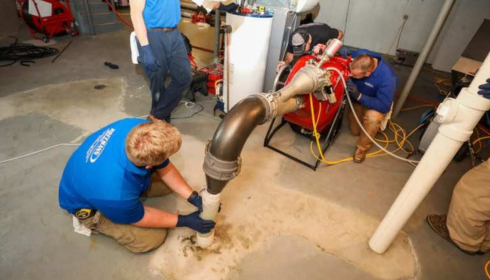
Modern sewer cleaning uses high-pressure tools and diagnostics that help clear blockages while treating your pipes with a little more respect. No more poking around in the dark. It’s precision work now. And let’s be real—when you’re talking about pipes carrying that kind of material, you want precision.
There’s a Camera In Your Pipe (And That’s a Good Thing)
One of the coolest things about today’s plumbing work is the tiny camera they send down into your sewer line. It’s a game-changer. Instead of just guessing where the problem lies, professionals can see it. Roots invading the joints. Grease buildup. A collapsed section. It’s all right there on the screen. Kind of like a colonoscopy for your house—but less awkward.
The footage doesn’t just help fix the current problem—it becomes a roadmap for preventing future disasters. This kind of insight is gold when you’re deciding whether you need a basic fix or something more structural.
Pipes Age—But They Don’t Have To Be Replaced (Always)
Here’s where it gets interesting. If you’ve got old cast iron or clay pipes beneath your home, you might think the only fix is to dig up the entire yard and start from scratch. Nope. Not always.
Enter epoxy sewer lining—a no-dig solution that can essentially recoat your existing pipe from the inside. Think of it like adding a new pipe within the old one. The liner hardens, seals cracks, and restores flow, all without turning your lawn into a warzone.
For many homeowners, this solution is a total life-saver. It’s less invasive, quicker, and surprisingly durable. And when done right? It can extend the life of your sewer line for decades.
High-Pressure, No Nonsense
If your sewer line’s acting up due to sludge, grease, or intrusive roots—but the pipe itself is still in decent shape—there’s one technique that pros swear by: hydro-jetting.
It’s exactly what it sounds like. A powerful jet of water, blasting through the pipe at high pressure to break down and flush away whatever’s gumming up the works. It’s like giving your pipes a pressure wash from the inside out.
Hydro-jetting is especially useful for restaurants, older homes, or anyone dealing with regular clogs. It’s aggressive but effective. And when done with the right tools and know-how, it can clear years of buildup in a single session.
Know the Signs (Before It’s a Crisis)
Sewer problems rarely come out of nowhere. There are signs—if you know what to look for.
Maybe your drains have been slow for weeks, or there’s that faint whiff of something unpleasant in the basement. Maybe your lawn has one weirdly green, extra-lush patch (that’s not a gift from nature—it’s likely a leak). Or maybe, every time it rains hard, your downstairs toilet gurgles like it’s haunted.
These are red flags. Don’t ignore them. The sooner you investigate, the cheaper and easier the fix will be.
When a Plunger Isn’t Enough
Not every blockage needs a plumber. Sometimes it’s just too much paper or a toddler’s toy that went where it shouldn’t. But when the usual tricks don’t work, don’t keep trying random chemicals or yanking on the handle harder. You could damage the pipe—or worse, create pressure that blows the clog back up.
Call a professional when:
- You’ve plunged and snaked, but it’s still clogged.
- Multiple fixtures are backing up at once.
- There’s standing water in the tub or basement.
- You hear gurgling sounds from other drains when you flush.
Sewer problems rarely fix themselves. In fact, they usually get worse.
It’s Not Just for Emergencies
People think of sewer service as an emergency thing. But honestly, the best time to think about your pipes is before something goes wrong.
Schedule a camera inspection every few years. Especially if your home is more than 30 years old, or if you’ve had major plumbing issues before. Regular checkups are way cheaper than full-blown repairs.
And if you’re buying a home? Ask for a sewer scope during the inspection. It might not be glamorous, but it could save you tens of thousands of dollars in hidden repairs.
Not All Plumbers Are Created Equal
Here’s the truth: some companies cut corners. They’ll clear a clog but won’t tell you why it happened. Or they’ll skip the camera inspection to save time. Or worse—they’ll sell you a complete sewer replacement when a relining would’ve done the trick.
Ask questions. Get second opinions. Make sure whoever you hire explains their process, shows you the footage, and walks you through the options. Trust your gut—because it’s your house, your money, and your peace of mind.
Wrap It Up (But Don’t Flush That Wipe)
If there’s one thing to take away from this, it’s that your sewer system deserves more respect. It’s the silent hero of your home—working 24/7 to move waste away, keep your space sanitary, and maintain your comfort without a second thought.