
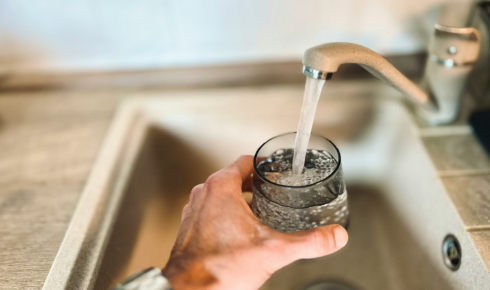
If you’ve ever lived in Florida, or even just visited, you might have noticed something a bit unusual about the water. You turn on the tap, pour a glass, and pause. There’s a scent—sometimes faint, sometimes strong—that catches you off guard. I remember my first week moving here, making coffee, and noticing a subtle “rotten egg” aroma. My first thought was panic: is this safe? What’s wrong with my plumbing?
Turns out, this is a pretty common experience. Florida’s water isn’t “bad” in any dangerous sense, but it does have its quirks, and understanding them can make a huge difference in everyday life.
What Causes the Smell
Much of Florida’s water comes from underground sources, traveling through limestone-rich soil and aquifers before reaching taps. This geology, combined with organic matter in the water, can produce a range of odors. One frequent question residents ask is florida water smell—why it’s there, and what exactly causes it.
The main culprit is hydrogen sulfide, a naturally occurring gas formed when organic materials decompose in water sources. In small amounts, it’s harmless, but it can give the water a distinct “rotten egg” scent. The intensity of the smell varies depending on the water source, the depth of wells, and seasonal changes. Shallow wells or surface water sources often have stronger odors because they interact more with organic debris.
How the Odor Presents
Describing the smell can be tricky. People often notice it immediately but struggle to explain it. Many describe it as earthy, metallic, or slightly sulfurous. If you’ve wondered what does florida smell like, the answer for the water portion is usually somewhere between rotten eggs and faint minerals.
Interestingly, the scent isn’t always constant. Cold water typically has a milder odor, while hot water releases more hydrogen sulfide gas, which makes showers and dishwashing more pungent. I first noticed this when doing dishes with hot water—the odor was more noticeable than in the glass of cold tap water I had poured earlier. It’s one of those quirks that you get used to, but it’s still odd for newcomers.
Sulfur Water in Florida
Another term you might hear is sulfur water florida, which refers to water with higher concentrations of hydrogen sulfide. While it smells unpleasant, in most cases it’s harmless. The main concerns are practical: sulfur can corrode metal pipes over time, shorten the lifespan of water heaters, and affect taste in coffee, tea, and other drinks.
I had a friend who moved into a house with strong sulfur water. Her morning coffee always had a slightly off flavor, and she swore the smell was stronger in the shower. After installing a filtration system designed to remove hydrogen sulfide, the difference was noticeable immediately—the water tasted cleaner, and the odor almost disappeared. That’s the beauty of small interventions; they can make daily life much more pleasant.
Why the Smell Intensifies in Hot Water
If you’ve noticed the smell is worse in hot water, there’s a reason. Heating water releases hydrogen sulfide gas, which intensifies the sulfur-like odor. Older water heaters or tanks with sediment buildup can make the problem worse.
Flushing the water heater and replacing the anode rod can reduce odors significantly. Many homeowners overlook this step, but it’s often enough to improve the overall water experience. Pair this with a proper filtration system, and your showers and dishes can be nearly odor-free.
Seasonal Changes and Water Smell
Florida’s water quality isn’t static. Seasonal variations play a role in odor levels. Heavy summer rains, for instance, can stir up surface water, bringing organic material into the supply and temporarily increasing hydrogen sulfide concentrations. During dry periods, groundwater may have higher mineral content, which can affect taste and smell.
This explains why some residents notice their water smelling fine in one season and stronger in another. Understanding these natural fluctuations can help manage expectations and guide effective solutions. Sometimes, patience is enough; other times, filtration is necessary.
Home Solutions for Odor Reduction
If the smell bothers you, several practical solutions exist. Filtration systems designed for sulfur removal are widely available. Activated carbon filters, aeration systems, and oxidation-based filters can significantly reduce hydrogen sulfide and improve taste.
For well owners, regular maintenance is key. Flushing wells, disinfecting when necessary, and monitoring for iron bacteria can reduce sulfur odors. Even simple point-of-use filtration can improve drinking and cooking water. I started with a small under-sink filter, and while it didn’t completely eliminate the smell, it made coffee and drinking water much more enjoyable. Later, I upgraded to a whole-house system, and suddenly showers, laundry, and kitchen water were far more pleasant.
Professional Help and Testing
While most sulfur odors are natural and harmless, there are times when professional evaluation is wise. Water that’s discolored, cloudy, or has a very strong smell should be tested. Local water specialists in Florida are familiar with regional variations in hydrogen sulfide and other minerals and can recommend the right treatment for your home.
Professional testing not only confirms safety but also helps identify whether point-of-use filters, whole-house systems, or water heater maintenance are most appropriate. It saves time and prevents trial-and-error frustration.
Everyday Tips for Cleaner Water
Even without professional intervention, a few simple steps can improve your daily water experience:
- Install a Filtration System – Point-of-use or whole-house filters reduce sulfur and chlorine smells.
- Maintain Water Heaters – Flushing and replacing the anode rod can prevent odor buildup.
- Flush Pipes Regularly – Running water for a few minutes can clear stagnant sections.
- Test Water Periodically – Understanding hydrogen sulfide levels helps tailor solutions.
Even small efforts can noticeably improve drinking water, cooking, and general household chores.
Embracing Florida Water
While the sulfur-like odor can be off-putting at first, it’s also part of Florida’s natural environment. Limestone-rich soil, aquifers, and organic material all interact to give the water its distinctive character. Recognizing the science behind the smell—why hydrogen sulfide exists and how it behaves—can make it feel less alarming.
Understanding why does the water in florida smell empowers homeowners to make informed choices. Simple filtration, maintenance, and awareness can transform daily life from dealing with unpleasant odors to enjoying clean, odor-free water throughout the house.
Personally, embracing the quirks while taking proactive steps has made a huge difference. Small fixes—filters, flushing pipes, water heater care—turned a daily annoyance into something barely noticeable. Clean, safe water is something we often take for granted until it reminds us it has a personality.
Final Thoughts
Florida’s water can have a noticeable sulfur smell, but it’s typically harmless. Recognizing the causes, including natural hydrogen sulfide and seasonal variations, helps residents respond appropriately. Solutions range from simple maintenance to sophisticated filtration, depending on your needs.