Water is something we often take for granted. You turn on the tap, it flows, and you assume it’s clean, safe, and fine for everything from cooking to bathing. But for homeowners with wells or unique local water challenges, that assumption doesn’t always hold up. Well water, while convenient and private, can carry its own set of issues—iron, sulfur, bacteria, and even sediment that can wreak havoc on plumbing, appliances, and your health. That’s where systems like a hydrogen peroxide well water treatment system come into play.
I remember the first time I had my well water tested. I’d always assumed that because it came straight from the ground, it was purer than city water. Turns out, well water can have subtle, sneaky issues that you don’t taste or see immediately. Hydrogen peroxide-based treatments have been gaining popularity because they tackle these problems without relying on harsh chemicals or extensive maintenance.
Understanding Well Water Challenges
Well water is unique because it comes straight from underground aquifers. Unlike municipal water, which is carefully monitored and treated, well water reflects the geology and environmental conditions of your property. That means high iron levels can leave reddish stains on sinks and laundry, sulfur can give a faint “rotten egg” smell, and bacteria can sometimes sneak in if your well is shallow or poorly sealed.
Traditional treatments like chlorine are effective but can be harsh on plumbing and appliances. Hydrogen peroxide, on the other hand, works differently. It oxidizes contaminants, breaking them down and neutralizing harmful microorganisms. This makes a hydrogen peroxide well water treatment system not only practical but surprisingly eco-friendly. You get clean water without the chemical aftertaste or the risk of excessive byproducts.
How Hydrogen Peroxide Works in Water Treatment
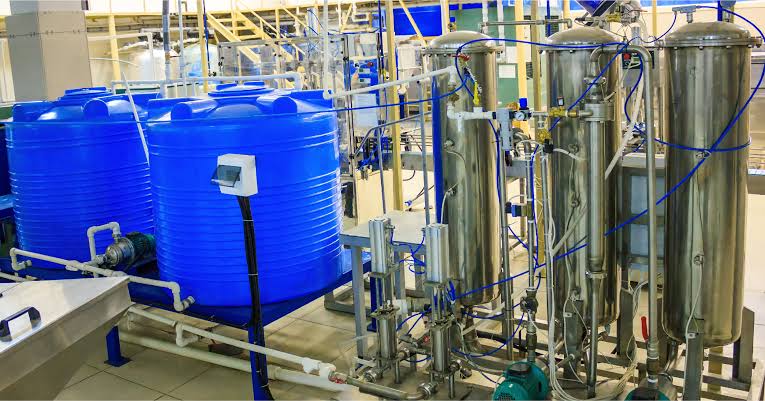
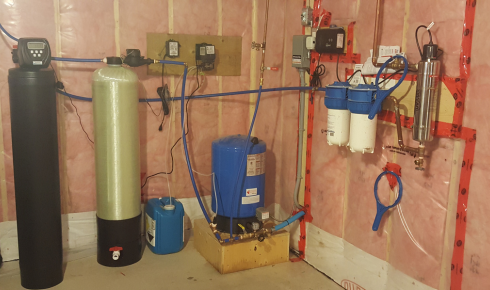
Hydrogen peroxide isn’t a new chemical—it’s been around for ages—but its applications in water treatment are becoming more refined. In a treatment system, hydrogen peroxide is typically injected into the water where it reacts with iron, manganese, and bacteria. The process forms harmless byproducts like oxygen and water, leaving you with cleaner water that’s safe for everyday use.
The beauty of hydrogen peroxide-based systems is that they combine oxidation and filtration in one process. As iron and manganese oxidize, they become easier to filter out. At the same time, bacteria are neutralized, reducing the risk of contamination in your household water. For families relying on well water, this dual-action approach can be a game-changer—better taste, fewer stains, and more peace of mind.
Why People Are Choosing Hydrogen Peroxide
There’s a reason more homeowners are asking about water treatment hydrogen peroxide. It’s versatile, effective, and less harsh than alternatives like chlorine or ozone. Many people with wells notice improvements not just in drinking water, but across all water usage in the home. Laundry comes out brighter, fixtures stay cleaner, and showers feel better on the skin and hair.
Beyond the home, hydrogen peroxide treatment systems are also valued for their environmental benefits. They don’t introduce harmful chemicals into the environment, and they reduce the need for bottled water, which has its own carbon footprint. For anyone balancing practical household needs with sustainability, hydrogen peroxide-based water treatment is an attractive option.
Considerations Before Installing a System
Of course, hydrogen peroxide water systems aren’t a one-size-fits-all solution. Well characteristics vary, and the concentration and dosing of hydrogen peroxide need to be carefully matched to your specific water profile. Factors like iron content, pH, and bacterial presence all influence how the system performs.
It’s also worth noting that maintenance is key. While these systems don’t rely on complex chemicals, regular monitoring and periodic filter replacements are essential. Many homeowners find it useful to pair their system with professional water testing at least once a year. This ensures optimal performance and keeps water quality consistently high.
If you’re considering a system for your well, a simple test kit or professional consultation can provide the data needed to design an effective solution. And in many cases, investing upfront in a quality hydrogen peroxide well water treatment system pays dividends in reduced plumbing issues, cleaner laundry, and safer drinking water.
Drinking Water Purification Made Simple
While treating water for household use is essential, hydrogen peroxide can also play a role in drinking water purification. With the proper systems, hydrogen peroxide can neutralize bacteria, viruses, and other pathogens without leaving residual taste or odor. Many people are surprised at how effective and safe it can be, especially compared to traditional bottled water or chemical treatments.
In fact, hydrogen peroxide drinking water purification is being explored not just for homes, but also for emergency preparedness, remote cabins, and even outdoor enthusiasts. Its ability to purify without producing harmful byproducts makes it appealing for anyone concerned about both health and convenience. It’s remarkable how a simple chemical—essentially just water and oxygen in combination—can achieve so much when applied thoughtfully.
Everyday Benefits Beyond Drinking
Hydrogen peroxide water treatment isn’t only about taste or safety—it has practical benefits throughout your home. Pipes stay cleaner because oxidation reduces mineral buildup, which in turn prolongs the life of water heaters, dishwashers, and faucets. Laundry becomes less dingy, and sinks and tubs don’t accumulate stubborn stains as quickly.
Some homeowners even report that their gardens and lawns respond positively. Iron and other minerals in untreated well water can affect soil pH and plant growth, so oxidized and filtered water often supports healthier vegetation. It’s another example of how improving water quality at home can ripple outward, affecting many aspects of daily life.
Common Questions About Hydrogen Peroxide Systems
- Is hydrogen peroxide safe in water?
Yes. When used at proper concentrations, it breaks down into water and oxygen, leaving no harmful residues. - Does it work against all bacteria?
It’s effective against many common well-water bacteria. However, routine testing is still recommended to ensure complete safety. - Can I install it myself?
Some systems are DIY-friendly, but professional installation ensures correct dosing and optimal results. - Will it affect taste or odor?
No, hydrogen peroxide systems generally improve taste and odor, unlike chlorine which can leave a noticeable chemical flavor.
Final Thoughts
Water is life, and yet it’s so easy to overlook the quality of what comes out of our taps. For those relying on wells or unique water sources, hydrogen peroxide systems offer an elegant, effective solution. From household use to safe drinking water, these treatments provide practical benefits without harsh chemicals or complex maintenance.
With a hydrogen peroxide well water treatment system, families can enjoy cleaner pipes, brighter laundry, and peace of mind knowing their water is safe. Incorporating water treatment hydrogen peroxide into your home’s system is not just about convenience—it’s about improving health, protecting appliances, and making daily routines smoother. And when it comes to drinking, hydrogen peroxide drinking water purification ensures every glass is as safe and refreshing as it should be.