Ever paused for a second while pouring yourself a glass of water and wondered what really goes into making it safe, clean, and sustainable? It’s easy to overlook the infrastructure and innovation behind one of the most essential elements of our lives. But in a time when communities are rethinking how they use resources, water is taking centre stage—not just as a necessity, but as a field full of potential and passion.
Let’s take a walk through a story not about pipes and pumps, but about people, places, and the quiet power of smart water technology.
The Unsung Heroes of Clean Water
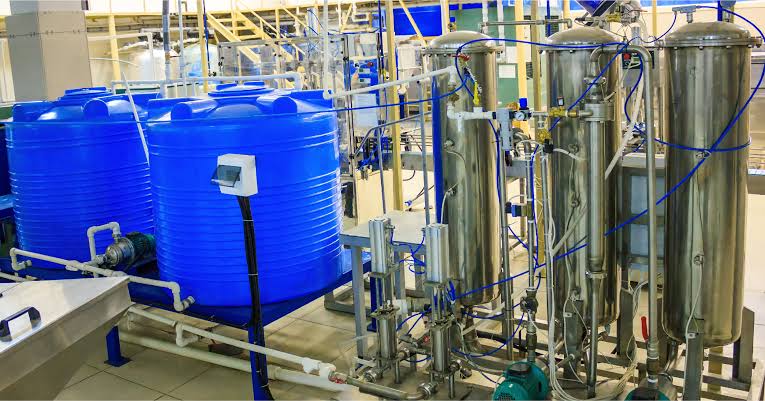
We hear a lot about tech these days—AI, EVs, space travel—but water technology? It doesn’t always get the spotlight it deserves. And yet, it’s one of the most critical fields shaping public health, agriculture, and sustainability. That’s where names like tennessee water technology step in. They’re not just handling filters and flow rates—they’re innovating in how water is sourced, treated, and conserved across cities and rural communities alike.
Imagine being able to trace every droplet back to its origin, knowing exactly how it’s been treated, and trusting that what you’re using in your home or business meets rigorous safety standards. That’s the kind of reliability this industry is building.
A Real Welcome: More Than Just Tech
If you ever happen to visit a facility like the twt welcome home center, you’ll quickly realise it’s not just a showroom for water solutions—it’s an experience. Walking in, you’re not greeted by sales pitches or cold presentations. There’s warmth in the welcome, a genuine effort to educate and engage. It’s a place where innovation meets community, where everyday people get to see how smarter water systems can impact their daily routines, bills, and peace of mind.
Think of it as a mix between a discovery centre and a living lab. There are demos that help you understand reverse osmosis systems, water softeners, leak detection setups, and even rainwater harvesting techniques—all laid out with clarity, not jargon. It’s a refreshing break from tech that feels too distant from the average home.
Testing the Waters (Literally)
Ever had that nagging thought—”Is my tap water really okay?” You’re not alone. With rising concerns over contaminants like lead, nitrates, PFAS, and bacteria, water testing is becoming a top priority for households and businesses alike. The good news? You don’t need to be a scientist or navigate confusing government forms to get answers.
Just search for a water laboratory near me, and you’ll likely find certified labs offering affordable, detailed water quality tests. Many even provide home sample collection kits. Whether you rely on municipal supply or a private well, knowing what’s in your water isn’t paranoia—it’s power.
Understanding your water profile can help you choose the right filters, avoid plumbing corrosion, and protect your health—especially if there are kids or elderly family members in the house. It’s a small action with a massive ripple effect.
The Human Side of Hydration
Let’s zoom out for a second.
This whole space—water treatment, testing, smart tech—it’s often painted in mechanical, sterile tones. But in reality, it’s deeply human. Behind every sensor or filtration unit, there’s a team of engineers, lab technicians, local government workers, and customer care reps doing work that touches lives quietly but consistently.
Families cooking dinner. Farmers irrigating crops. Firefighters tapping hydrants. Hospitals sterilising instruments. Every drop is part of a larger system, held together by invisible hands doing essential work.
It’s also about access. Not every community is connected equally. Bridging those gaps with affordable solutions, education, and infrastructure support is what elevates water technology from a luxury to a human right.
Going Forward with Better Flow
Sustainability isn’t just a buzzword when it comes to water—it’s an imperative. As droughts become more common and climate change alters rainfall patterns, our systems must evolve. And that’s happening in promising ways:
- Smart meters that detect leaks instantly and help reduce waste
- Rainwater harvesting systems integrated into urban architecture
- Community-scale purification units for areas lacking access
- AI-powered analytics that predict usage and guide conservation policies
But change doesn’t happen in one grand gesture. It’s built day by day, decision by decision—by homeowners choosing better filters, by schools testing their fountains, by governments funding updated infrastructure.
Everyday Steps That Make a Difference
So, how can someone who isn’t a hydrologist or policymaker be part of the solution?
- Start small: Check your pipes, use water-saving fixtures, fix leaks quickly.
- Get curious: Ask your local municipality about water testing programs or rebates.
- Educate others: Share what you learn—because awareness spreads faster than pipelines.
- Support local initiatives: Whether it’s a water drive, infrastructure funding, or a local clean-up, your involvement matters.
When individuals care, communities thrive. And when communities come together, technology has a purpose.
Wrapping It Up (With a Glass of Water in Hand)
Water may be transparent, but the systems behind it shouldn’t be. As we peel back the layers, there’s so much more to discover—and appreciate. From smart tech at the twt welcome home center to the quiet reassurance of a trusted water laboratory near me, and the innovation powering tennessee water technology, it all paints a picture of a world quietly transforming.
And maybe next time you fill your glass or start the dishwasher, you’ll pause for a second and think—there’s a story here. One worth knowing, sharing, and celebrating.