
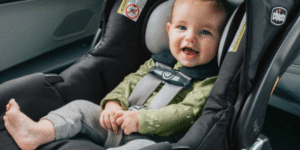
When it comes to the safety of your newborn during travel, few things are as crucial as choosing the right car seat for infants. These specially designed seats are not just a legal requirement in many regions but are essential for protecting your baby from injury during accidents or sudden stops. In this comprehensive guide, we’ll cover everything you need to know about selecting the best infant car seat, key features to look for, and how to ensure proper installation for maximum safety.
Why a Car Seat for Infants Is a Must
Newborns and infants are extremely fragile, and their bodies are not yet developed to withstand the force of a car crash. Regular car seats are designed for adults and do not provide the necessary support for a baby’s head, neck, and spine. Infant car seats are rear-facing and equipped with special padding and safety harnesses to absorb impact and distribute forces more safely across the baby’s body.
Types of Infant Car Seats
There are two main types of infant car seats to consider:
-
Rear-Facing Infant Car Seats: These are designed specifically for newborns and young babies, generally up to 12–15 months or 13 kg in weight. They come with a handle for easy carrying and are often compatible with strollers as part of a travel system.
-
Convertible Car Seats: While suitable from birth, these can convert from rear-facing to forward-facing as your child grows. Although they’re not as portable as infant-specific car seats, they are cost-effective in the long run.
Key Features to Look for
To ensure you choose the best and safest option for your child, keep an eye on the following features:
-
5-Point Harness System: This secures your child at the shoulders, hips, and between the legs, offering enhanced protection.
-
Side-Impact Protection: Padded wings around the head area help reduce the risk of injury during side collisions.
-
Ease of Installation: Choose a seat with clear instructions and compatibility with your vehicle’s seat belt or ISOFIX/LATCH system.
-
Adjustable Headrest and Recline Options: These help keep your baby comfortable and properly positioned.
-
Detachable Base: A base that stays in the car makes it easier to click the seat in and out, especially helpful for sleeping infants.
How to Install a Car Seat Correctly
Incorrect installation is one of the most common causes of injury involving child seats. Follow these tips to ensure a proper setup:
-
Always read the manufacturer’s manual and your vehicle’s user guide.
-
Make sure the car seat is tightly secured with minimal movement at the base.
-
The harness should be snug with no slack. You shouldn’t be able to pinch the strap at the shoulder.
-
The chest clip should be at armpit level, not on the stomach or neck.
Many local fire stations, police departments, or hospitals offer free car seat inspections to ensure your seat is installed correctly.
Additional Safety Tips
-
Never place a rear-facing car seat in the front seat if there’s an active airbag.
-
Avoid using second-hand seats unless you are certain of its history and it hasn’t been in a crash.
-
Regularly check for recalls on your car seat model.
-
Don’t bundle your baby in thick clothes before strapping them in. Instead, place a blanket over the straps for warmth.
Conclusion
Investing in a high-quality infant car seat is one of the most important decisions you can make as a new parent. It offers peace of mind knowing that your child is secure during every journey. Remember to always prioritize safety, comfort, and proper installation over price or style. With the right car seat, you can confidently hit the road knowing your precious cargo is well protected.