You vacuum regularly. You wipe surfaces. You even fluff the cushions now and then.
So why are you still sneezing the moment you sit down on your sofa?
For many households, especially in urban environments, the culprit isn’t visible dirt. It’s what lives beneath the surface of your upholstery—microscopic allergens that standard cleaning routines simply don’t touch. Chief among them: dust mites.
The Illusion of a “Clean” Sofa
Most people define clean by what they can see. Crumbs gone. Stains removed. No obvious odours.
But upholstery doesn’t behave like hard flooring or countertops.
Sofas are soft, layered, and absorbent by design. Beneath the fabric lies foam, batting, and webbing—materials that trap moisture, skin cells, and airborne particles over time. Every time you sit down, microscopic debris is pushed deeper inside rather than removed.
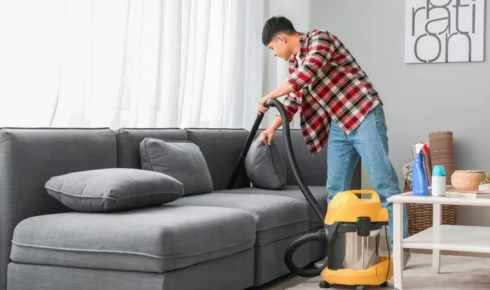
Even regular vacuuming, unless done with specialised equipment, typically cleans only the surface fibres. What remains below is an environment that dust mites find almost perfect.
What Dust Mites Actually Are (and Why They Love Upholstery)
Dust mites are microscopic arachnids that feed primarily on dead human skin cells. An average person sheds enough skin each day to feed thousands of mites. That alone explains why mattresses and sofas are prime habitats.
But upholstery offers three additional advantages:
- Stable warmth from body heat
- Shelter from light and disturbance
- Moisture retention, especially in homes with limited ventilation
Unlike pests you can see, dust mites don’t bite and don’t spread disease. The real issue is what they leave behind. Their waste particles contain potent proteins that easily become airborne when you sit, lie down, or plump cushions.
That’s when symptoms start.
Common Symptoms Linked to Upholstery Allergens
Many people associate dust mite allergies with bedrooms. Yet sofas are often used for longer, more relaxed periods—exactly when exposure increases.
Symptoms commonly include:
- Sneezing fits shortly after sitting down
- Itchy or watery eyes in the evening
- A blocked or runny nose that worsens indoors
- Persistent coughing or throat irritation
- Asthma flare-ups, particularly at night
Children and older adults are often more sensitive, but even people without diagnosed allergies can feel “off” in rooms with high allergen loads.
If symptoms improve when you leave the house—or even just change rooms—that’s a strong signal your upholstery may be involved.
Why DIY Cleaning Usually Isn’t Enough
Sprays, powders, and home remedies promise quick fixes. Unfortunately, most fail for one simple reason: they don’t penetrate deeply enough.
Here’s where common approaches fall short:
- Standard vacuum cleaners lack sufficient suction and filtration to extract mites and allergen particles embedded in foam
- Surface sprays may kill some mites but leave allergenic residue behind
- Steam from domestic units often cools too quickly to maintain mite-lethal temperatures at depth
- Deodorisers mask smells without removing the source
In some cases, DIY treatments can even make things worse by increasing moisture levels inside the sofa, creating better conditions for mite reproduction.
The Moisture Factor Most People Overlook
Dust mites need humidity to survive. Upholstery acts like a sponge, absorbing moisture from:
- Human bodies
- Spilled drinks
- Damp air during Irish winters
- Poorly ventilated rooms
Even if your home doesn’t feel damp, relative humidity inside furniture can remain high for long periods. This is especially common in apartments or terraced houses where airflow is limited.
Reducing humidity in the room helps—but once moisture is trapped inside upholstery, it rarely escapes on its own.
Why Professional Upholstery Cleaning Makes a Difference
Effective dust mite reduction requires three things at once:
- Heat or chemical action strong enough to neutralise mites
- Mechanical extraction to remove allergens, not just kill organisms
- Controlled drying to prevent moisture from lingering
Professional upholstery cleaning systems are designed to do exactly that. High-powered extraction pulls contaminants from deep within the fabric layers, while professional-grade treatments target allergens at a microscopic level.
This is why allergy sufferers often notice an immediate difference after proper upholstery cleaning—sometimes within hours.
In Dublin, services like Happy Clean Dublin focus specifically on deep upholstery and allergen-focused treatments rather than cosmetic cleaning alone. The distinction matters more than most people realise.
How Often Should Upholstered Furniture Be Cleaned?
For the average household, a deep upholstery clean every 12 to 18 months is usually sufficient.
However, more frequent cleaning is recommended if:
- Someone in the home has allergies or asthma
- You have pets that use the sofa
- The sofa is used daily (especially for naps)
- The home has higher humidity levels
Spot cleaning stains in between is fine—but it shouldn’t replace full deep cleaning.
What You Can Do Between Professional Cleans
While DIY methods won’t eliminate dust mites entirely, they can help slow their return.
Practical steps include:
- Vacuum upholstery weekly using a HEPA-filter vacuum
- Reduce indoor humidity where possible (aim for 40–50%)
- Wash removable cushion covers at high temperatures
- Avoid eating on fabric sofas when possible
- Rotate and flip cushions to prevent moisture build-up
Small habits, consistently applied, make professional results last longer.
The Bigger Picture: Clean Isn’t Just Visual
Modern homes look cleaner than ever, yet allergy rates continue to rise. One reason is that our definition of “clean” hasn’t kept pace with what we now know about indoor air quality and allergens.
Upholstered furniture sits at the intersection of comfort and contamination. It feels soft, safe, and familiar—yet quietly collects the very particles that trigger discomfort and illness.
If sneezing, congestion, or unexplained irritation seems to follow you to the sofa, it may not be seasonal allergies or bad luck. It may simply be time to look deeper than the surface.
Conclusion
A sofa can look spotless and still quietly undermine your comfort. Dust mites and the allergens they leave behind don’t care how tidy a room appears—they thrive in warmth, fabric, and moisture, all of which upholstered furniture provides in abundance. When sneezing, congestion, or irritation seem tied to time spent on the couch, it’s a sign that surface-level cleaning isn’t enough. Addressing the problem means thinking beyond appearances and focusing on what’s embedded deep within the fibres. By combining informed habits with proper deep cleaning when needed, you don’t just refresh your furniture—you reclaim the air you breathe and the comfort your home is meant to offer.