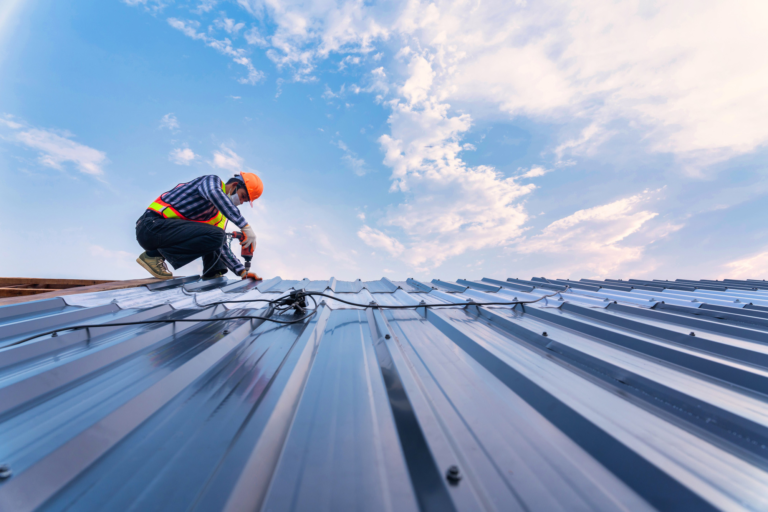

Choosing the right roofing material for your home is a crucial decision that impacts not only the aesthetics and durability of your house but also its energy efficiency. As energy costs continue to rise and environmental concerns become more pressing, many homeowners are looking for ways to reduce their carbon footprint and save on energy bills. Energy-efficient roofing is one of the most effective ways to achieve these goals. In this article, we’ll explore various energy-efficient roofing options that can help you make your home more sustainable and cost-effective.
1. Cool Roofing Materials
Cool roofs are designed to reflect more sunlight and absorb less heat than standard roofing materials. This reflective quality reduces the amount of heat transferred into your home, keeping it cooler in the summer and reducing the need for air conditioning.
Types of Cool Roofing Materials:
- Cool Asphalt Shingles: Traditional asphalt shingles can be made energy-efficient by adding specially coated granules that increase their reflectivity. These shingles are available in various colors and are a cost-effective option for homeowners looking to improve their roof’s energy efficiency.
- Cool Metal Roofing: Metal roofing is naturally reflective, but it can be enhanced with cool roof coatings that increase its ability to reflect sunlight. Metal roofs are durable, long-lasting, and available in a variety of styles, making them a popular choice for energy efficiency.
Benefits:
Cool roofs can lower the surface temperature of your roof by up to 50°F, reducing the amount of heat transferred into your home. This can lead to significant energy savings, particularly in hot climates. Additionally, cool roofs can extend the lifespan of your roofing material by reducing thermal expansion and contraction.
2. Metal Roofing
Metal roofing is one of the most energy-efficient roofing materials available. It reflects a significant portion of the sun’s rays, which helps to reduce heat gain during the summer months. Metal roofs are also highly durable, with a lifespan of 40-70 years, depending on the material.
Types of Metal Roofing:
- Standing Seam Metal Roofs: These roofs feature vertical panels with seams that are raised above the level of the roof, which helps to prevent water penetration. They are known for their sleek appearance and excellent energy efficiency.
- Metal Shingles: For homeowners who prefer the look of traditional shingles, metal shingles offer a similar aesthetic with the added benefits of durability and energy efficiency.
Benefits:
Metal roofing is not only energy-efficient but also environmentally friendly. Many metal roofs are made from recycled materials and are fully recyclable at the end of their lifespan. Additionally, metal roofs can be coated with reflective paint finishes to further enhance their energy-saving properties.
3. Clay and Concrete Tiles
Clay and concrete tiles are popular in hot climates due to their excellent thermal properties. These materials have a high thermal mass, meaning they can absorb and store heat during the day and release it slowly at night. This helps to keep your home cooler during the day and warmer at night.
Types of Clay and Concrete Tiles:
- Clay Tiles: Clay tiles are made from natural clay that is fired in a kiln. They are available in various shapes and colors, including the traditional terracotta. Clay tiles are highly durable and can last for over 50 years with proper maintenance.
- Concrete Tiles: Concrete tiles are made from a mixture of cement, sand, and water. They are typically heavier than clay tiles but offer similar energy efficiency benefits. Concrete tiles can be manufactured to resemble wood shakes, slate, or other materials, providing versatility in design.
Benefits:
Clay and concrete tiles are ideal for hot climates because they help to regulate indoor temperatures naturally. Their durability and fire resistance make them a long-lasting roofing option, while their natural composition makes them environmentally friendly.
4. Slate Roofing
Slate is a natural stone material that has been used for centuries as a roofing material. It is highly durable, with a lifespan of 75-100 years or more, making it one of the longest-lasting roofing options available. Slate is also naturally fire-resistant and environmentally friendly.
Types of Slate Roofing:
- Natural Slate: Natural slate roofing is made from quarried stone and is available in a variety of colors and thicknesses. Each slate tile is unique, providing a distinctive and elegant appearance.
- Synthetic Slate: For homeowners who want the look of slate without the high cost or weight, synthetic slate is an excellent alternative. Made from recycled materials, synthetic slate offers the same aesthetic appeal with improved energy efficiency and a lower environmental impact.
Benefits:
Slate roofing provides excellent insulation, which helps to reduce energy costs by keeping your home warmer in the winter and cooler in the summer. Its natural durability and resistance to weathering make it a low-maintenance and long-lasting choice.
5. Green Roofs
Green roofs, also known as living roofs, are covered with vegetation that helps to absorb rainwater, reduce heat absorption, and provide insulation. These roofs are becoming increasingly popular in urban areas, where they can help to mitigate the urban heat island effect and improve air quality.
Types of Green Roofs:
- Intensive Green Roofs: These roofs feature deep soil layers that can support a wide variety of plants, including trees and shrubs. Intensive green roofs require more maintenance but offer greater biodiversity and aesthetic appeal.
- Extensive Green Roofs: Extensive green roofs have shallower soil layers and are typically planted with hardy, low-maintenance vegetation like grasses, mosses, and succulents. They are lighter and require less maintenance than intensive green roofs.
Benefits:
Green roofs provide natural insulation, reducing energy consumption for heating and cooling. They also absorb rainwater, reducing the burden on stormwater systems and helping to prevent flooding. Additionally, green roofs can improve air quality by filtering pollutants and provide habitat for wildlife.
6. Solar Reflective Shingles
Solar reflective shingles are designed to reflect more sunlight and absorb less heat than traditional shingles. These shingles are made with specially coated granules that reflect solar radiation, helping to keep your home cooler.
Types of Solar Reflective Shingles:
- Asphalt Shingles: Solar reflective asphalt shingles are a cost-effective option that offers improved energy efficiency. They are available in a variety of colors and styles to match any home.
- Metal Shingles: Metal shingles can also be treated with reflective coatings to enhance their energy efficiency. They offer the durability of metal roofing with the added benefit of solar reflectivity.
Benefits:
Solar reflective shingles can significantly reduce cooling costs during the summer by reflecting solar radiation. They are an affordable option for homeowners looking to improve their home’s energy efficiency without a significant investment.
7. Asphalt Shingles with Cool Roof Coatings
Asphalt shingles are the most common roofing material in the United States, and they can be made more energy-efficient with the addition of cool roof coatings. These coatings reflect more sunlight and reduce the amount of heat absorbed by the roof.
How Cool Roof Coatings Work:
- Reflective Coatings: These coatings are applied to the surface of asphalt shingles and work by reflecting sunlight away from the roof. This reduces the heat absorbed by the shingles and helps keep your home cooler.
- Energy Savings: Homes with cool roof coatings can experience lower cooling costs, especially in hot climates. These coatings can be applied to new roofs or retrofitted onto existing roofs, making them a flexible and cost-effective option.
Benefits:
Cool roof coatings are an affordable way to improve the energy efficiency of asphalt shingles. They can be applied during installation or later as a retrofit, providing homeowners with flexibility in their energy-saving efforts.
8. Thermoplastic Roofing (TPO)
Thermoplastic roofing, commonly known as TPO, is a single-ply roofing membrane that is highly reflective and energy-efficient. TPO roofs are made from a blend of polypropylene and ethylene-propylene rubber, offering durability and resistance to UV radiation.
Types of TPO Roofing:
- White TPO: White TPO roofing is the most reflective, making it ideal for hot climates. It reflects a significant portion of the sun’s rays, reducing heat absorption and cooling costs.
- Colored TPO: For homeowners who prefer a different aesthetic, TPO roofing is also available in a variety of colors, although the energy efficiency may be slightly lower than white TPO.
Benefits:
TPO roofing is a durable and cost-effective option for flat or low-slope roofs. Its reflective properties make it an excellent choice for improving energy efficiency, particularly in commercial buildings or homes with flat roofs.
Conclusion
Choosing an energy-efficient roofing option for your home is a smart investment that can reduce energy costs, improve comfort, and lower your environmental impact. From cool roofs and metal roofing to green roofs and solar reflective shingles, there are a variety of materials and technologies available to suit different climates, aesthetics, and budgets.
When selecting a roofing material, consider factors such as your local climate, the orientation of your home, and your long-term energy goals. Consulting with a professional roofer can help you make an informed decision and ensure that your new roof meets your needs for energy efficiency and durability.
Investing in energy-efficient roofing is not only beneficial for your wallet but also for the environment. By reducing your home’s energy consumption, you’re contributing to a more sustainable future while enjoying a comfortable and cost-effective living space.