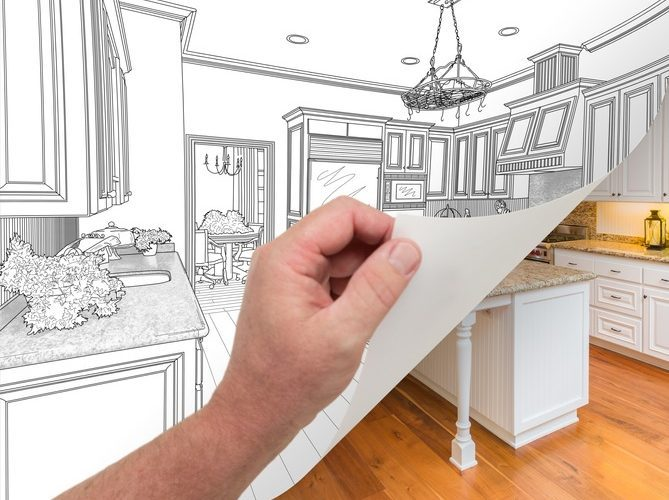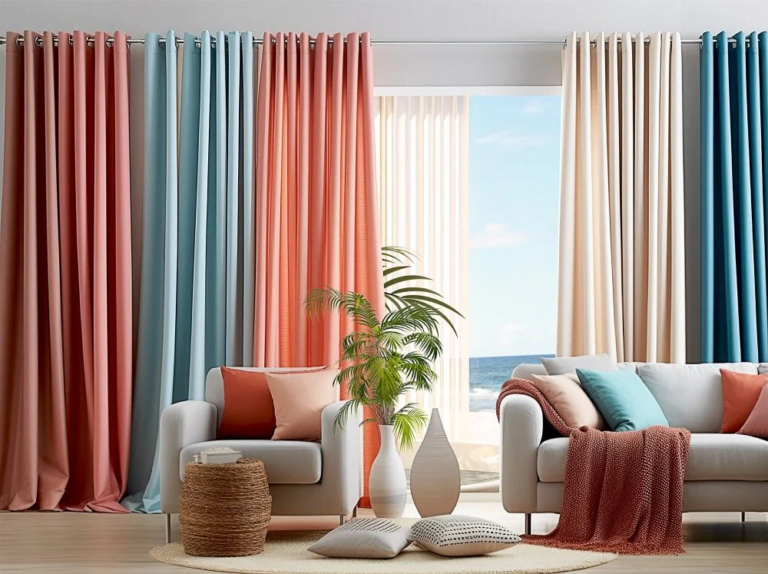
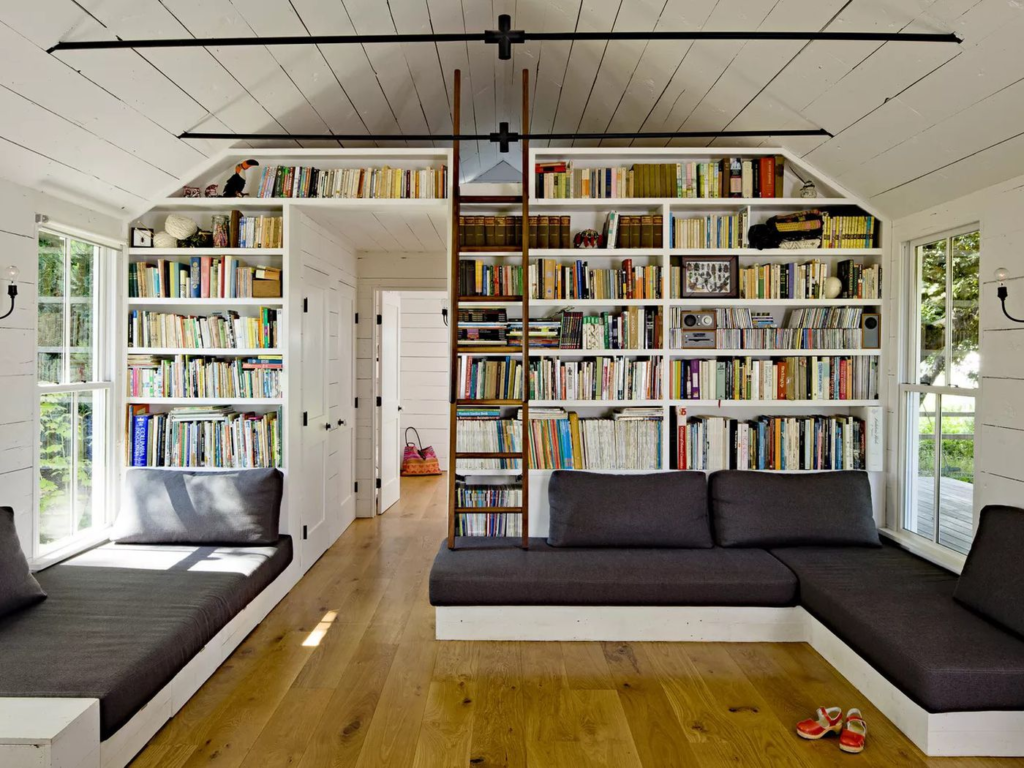
Renovating a small home presents unique challenges, particularly when it comes to maximizing space. Every square foot counts, and thoughtful design choices can make a significant difference in how spacious and functional your home feels. Whether you’re renovating a small apartment, a cozy cottage, or a compact house, this guide will provide practical tips and creative ideas to help you make the most of your space.
1. Open Up the Floor Plan
One of the most effective ways to create the illusion of more space is to open up the floor plan. Traditional homes often have a lot of walls that divide the space into separate rooms, which can make a small home feel cramped and closed off.
How to Maximize Space:
Consider removing non-structural walls to create an open-concept layout. By combining the living, dining, and kitchen areas into one large, multi-functional space, you can improve the flow of your home and make it feel much larger. If completely open spaces aren’t your style, half-walls or glass partitions can offer a compromise by maintaining some separation while still allowing light to pass through.
2. Utilize Vertical Space
When floor space is limited, it’s essential to think vertically. Walls offer valuable real estate that can be used for storage, display, and even functional elements like fold-down furniture.
How to Maximize Space:
Install floor-to-ceiling shelving units, cabinets, or bookcases to make the most of your wall space. In the kitchen, consider adding upper cabinets that reach the ceiling, and in the living room, use wall-mounted shelves for books, plants, and decor. Vertical storage solutions not only free up floor space but also draw the eye upward, creating the impression of height and spaciousness.
3. Incorporate Multi-Functional Furniture
In a small home, every piece of furniture should earn its place by serving multiple functions. Multi-functional furniture can help you maximize space by reducing the need for additional pieces that might clutter your home.
How to Maximize Space:
Look for furniture that can serve more than one purpose. For example, a sofa bed can be used as seating during the day and as a guest bed at night. An ottoman with storage inside can double as a coffee table, and a dining table with drop leaves can expand or contract depending on your needs. Fold-out desks, Murphy beds, and expandable dining tables are other great options for maximizing functionality in small spaces.
4. Create Built-In Storage Solutions
Built-in storage is a game-changer for small homes, as it allows you to utilize awkward or underused spaces that might otherwise go to waste. Custom-built cabinets, shelves, and closets can be tailored to fit your home’s specific dimensions and your storage needs.
How to Maximize Space:
Consider adding built-in storage under staircases, around windows, or in unused corners. A built-in bench with storage underneath can provide seating and hide away items like shoes or blankets. In the bedroom, built-in wardrobes or headboards with integrated shelving can reduce the need for bulky furniture. These custom solutions help keep your home organized and clutter-free while making the most of every inch.
5. Use Light Colors and Reflective Surfaces
Color and light play a crucial role in how spacious a room feels. Dark colors and heavy textures can make a small space feel even smaller, while light colors and reflective surfaces can open up the room and create a sense of airiness.
How to Maximize Space:
Choose a light color palette for your walls, ceilings, and larger furniture pieces. Whites, light grays, and pastels are excellent choices that can make a room feel brighter and more open. Incorporate reflective surfaces like mirrors, glass, and metallic finishes to bounce light around the room and enhance the feeling of space. A strategically placed mirror can also create the illusion of a larger room by reflecting both light and views.
6. Opt for Sliding Doors
Traditional swinging doors require a significant amount of floor space to open and close, which can be a luxury in a small home. Sliding doors, on the other hand, are a space-saving alternative that can help you maximize your living area.
How to Maximize Space:
Replace traditional doors with sliding or pocket doors, which slide into the wall or along a track. This simple change can free up valuable floor space and allow for more flexible furniture placement. Sliding doors are particularly useful in tight areas like bathrooms, closets, or narrow hallways where every inch matters.
7. Maximize Natural Light
Natural light has the power to transform a small space by making it feel larger, more inviting, and more connected to the outdoors. Maximizing the amount of natural light in your home should be a key focus of your renovation.
How to Maximize Space:
Ensure that windows are unobstructed by heavy curtains or furniture, allowing as much light as possible to enter the room. If possible, add more windows or enlarge existing ones to increase the flow of natural light. Skylights and solar tubes are also excellent options for bringing light into areas that may not have exterior walls. Additionally, choosing light, airy window treatments and reflective finishes can further enhance the brightness of your space.
8. Declutter and Prioritize Minimalism
Clutter can quickly overwhelm a small space, making it feel chaotic and cramped. Adopting a minimalist approach to your home renovation can help you maintain a clean, organized environment that feels more spacious and serene.
How to Maximize Space:
Before you begin your renovation, take the time to declutter your home. Donate, sell, or discard items that you no longer need or use. During the renovation, focus on creating a minimalist design with clean lines, simple shapes, and a limited color palette. Opt for furniture and decor that is functional and meaningful, rather than filling your space with unnecessary items.
9. Embrace Open Storage
While closed storage solutions are great for hiding clutter, open storage can actually make a small space feel larger by creating a sense of openness and accessibility.
How to Maximize Space:
Incorporate open shelving, wall hooks, and pegboards into your design to keep frequently used items within easy reach. This approach works well in kitchens, bathrooms, and entryways, where you need quick access to essentials. Just be sure to keep open storage areas organized and tidy to avoid a cluttered appearance. Stylish baskets, bins, and containers can help you achieve a balance between practicality and aesthetics.
10. Consider Convertible and Modular Designs
Convertible and modular designs offer the flexibility to adapt your space to different needs and activities. These designs are particularly valuable in small homes where every square foot must serve multiple purposes.
How to Maximize Space:
Consider investing in furniture that can be easily converted or reconfigured. A modular sofa, for example, can be rearranged to create different seating arrangements or even split into separate chairs. A convertible desk can be folded away when not in use, freeing up space for other activities. Modular shelving systems can be expanded or reduced as needed, allowing you to customize your storage solutions over time.
Conclusion
Maximizing space in a small home renovation requires creativity, careful planning, and a focus on functionality. By opening up the floor plan, utilizing vertical space, incorporating multi-functional furniture, and embracing minimalist design principles, you can create a home that feels spacious, organized, and comfortable.
Remember that the key to success lies in making thoughtful design choices that cater to your specific needs and lifestyle. Whether you’re tackling the renovation yourself or working with a professional, these strategies will help you make the most of your small space, turning it into a stylish and efficient home that meets all your needs.
Ultimately, the goal of any small home renovation is to create a space that enhances your daily life while maximizing every square foot. With the right approach, you can achieve a beautifully designed home that feels much larger than its actual size.